
Single-use bioreactors have become one of the most important technologies in modern biopharma because they combine flexibility, lower turnaround time and reduced cross-contamination risk in one process platform.
Their growth is closely linked to the way biopharmaceutical manufacturing is changing. Multi-product facilities, advanced therapies, faster development cycles and stronger pressure on time-to-market all favor technologies that reduce cleaning burden and allow rapid changeover between campaigns.
Single-use bioreactors are not replacing every stainless-steel system, but they are becoming central wherever speed, flexibility and contamination control matter most.
What are single-use bioreactors?
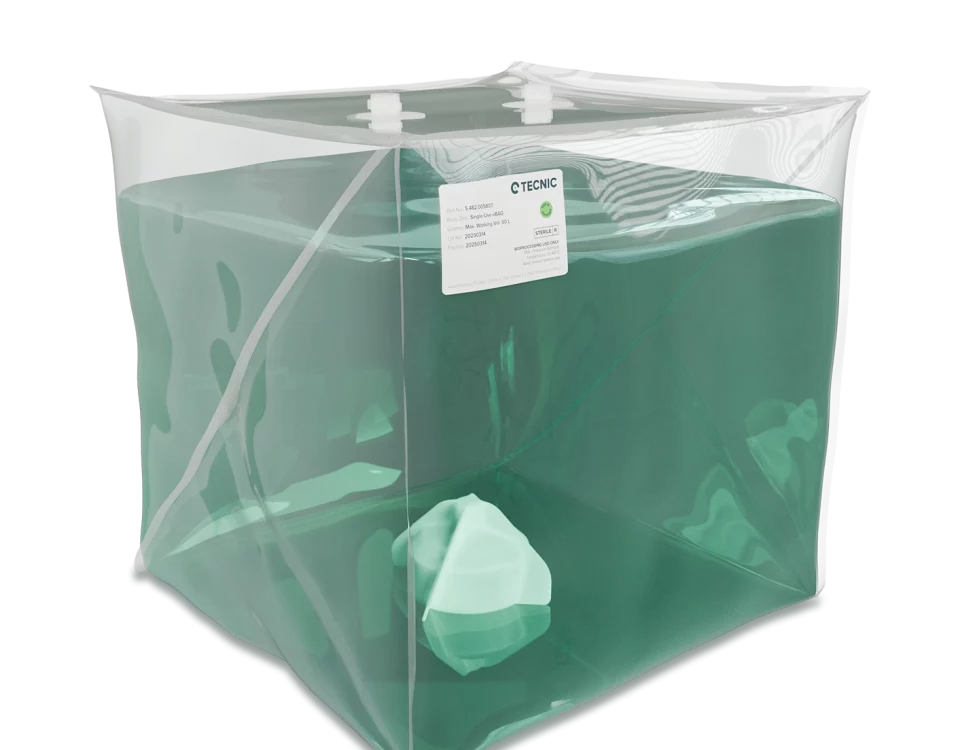
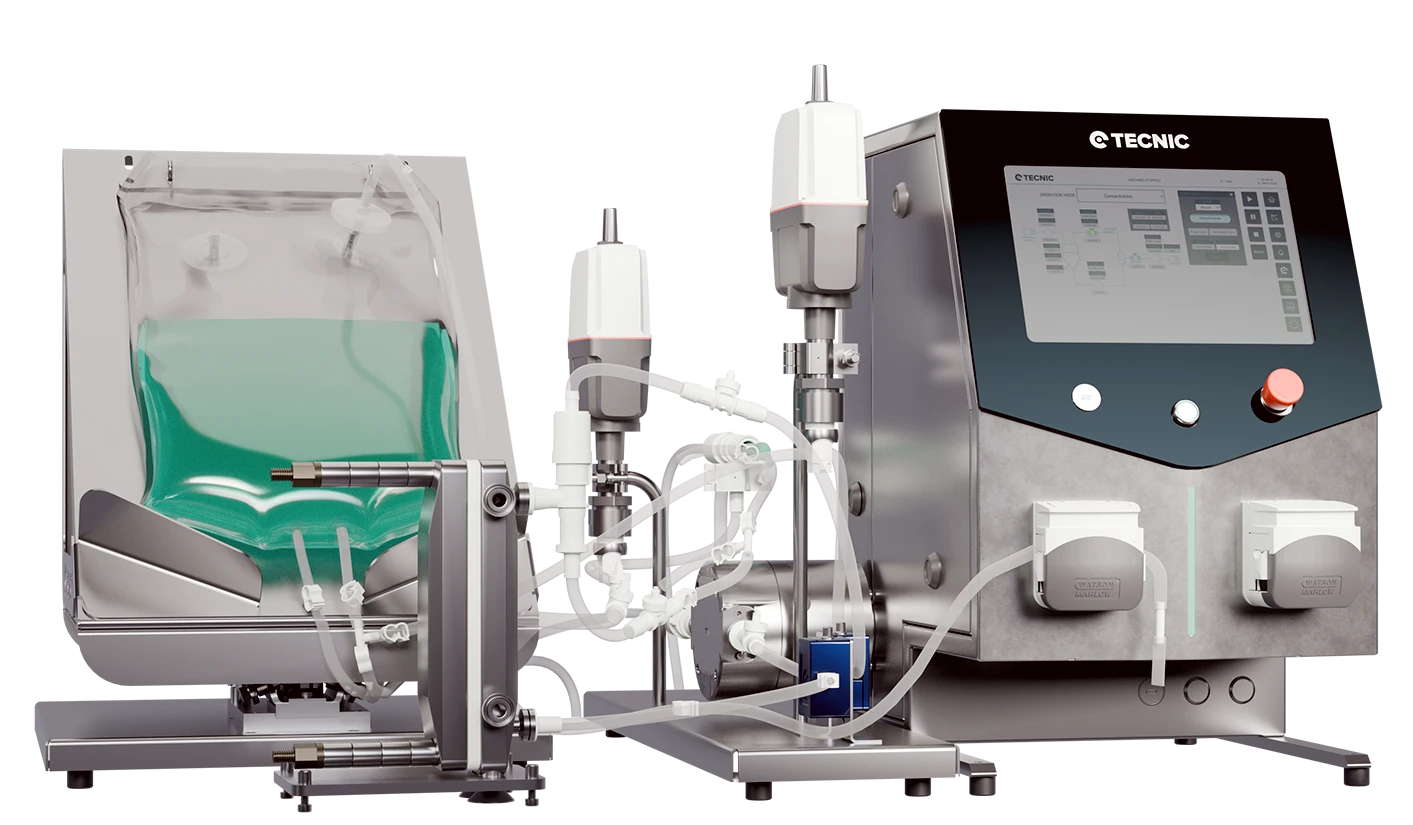
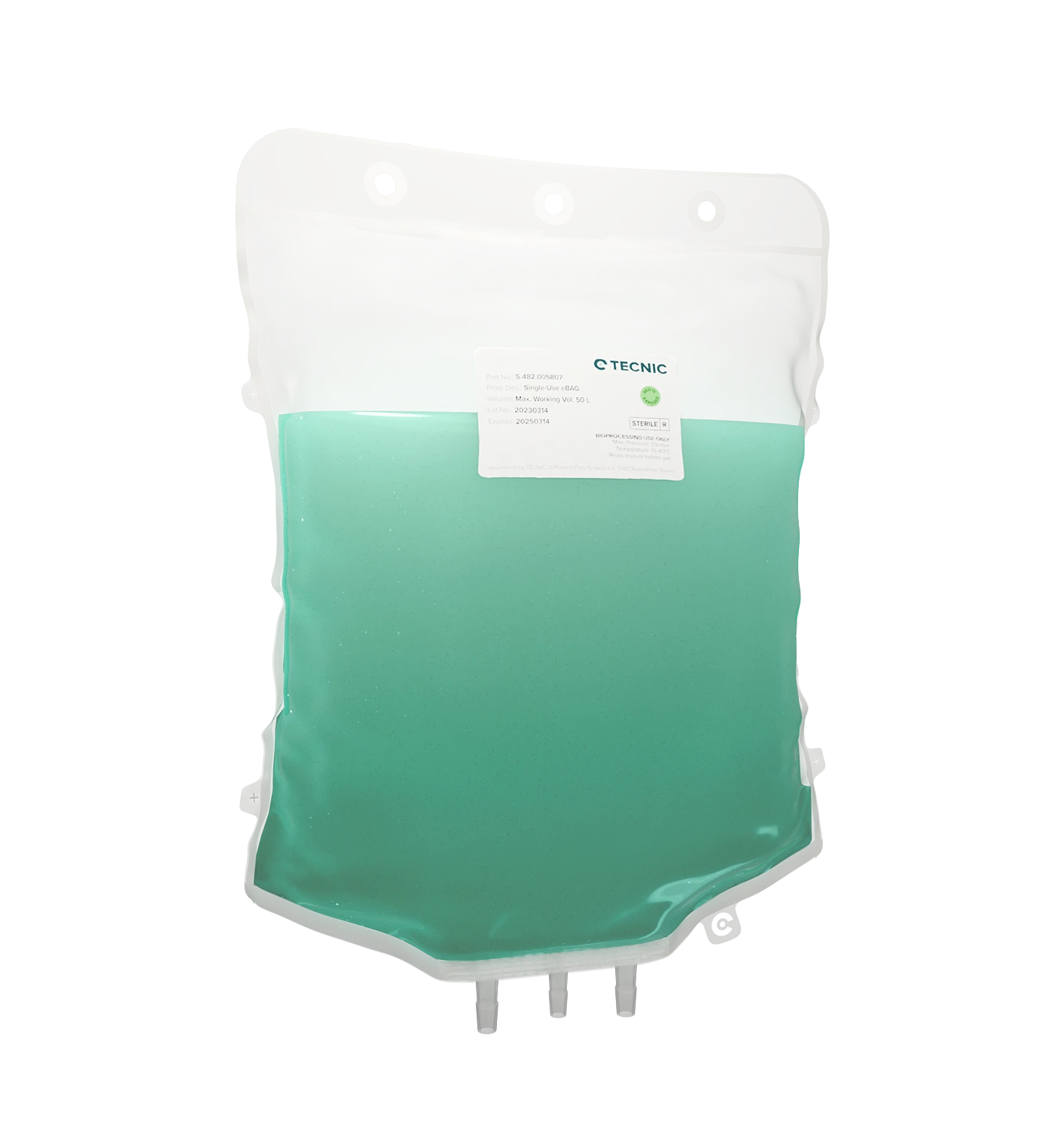
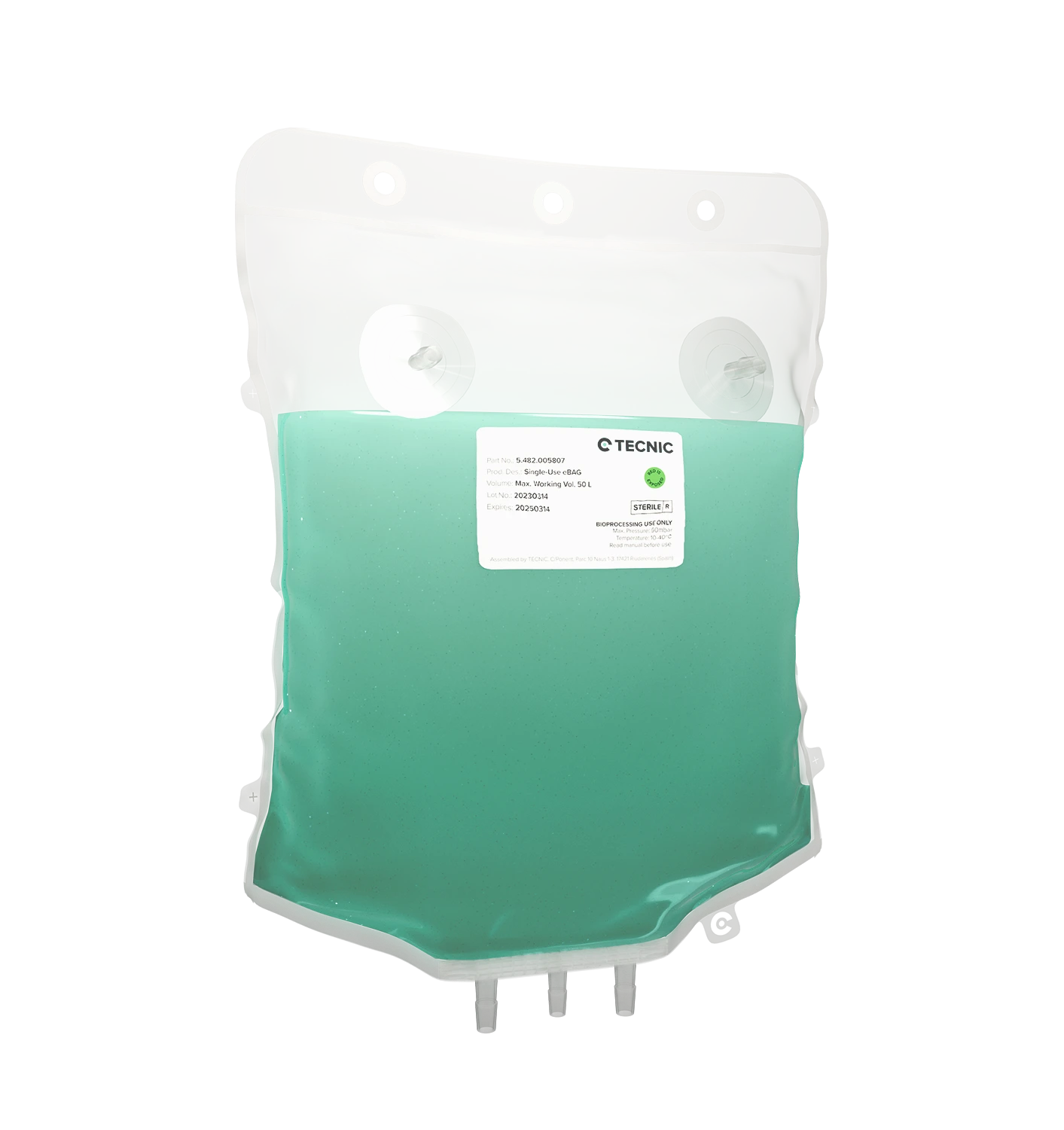
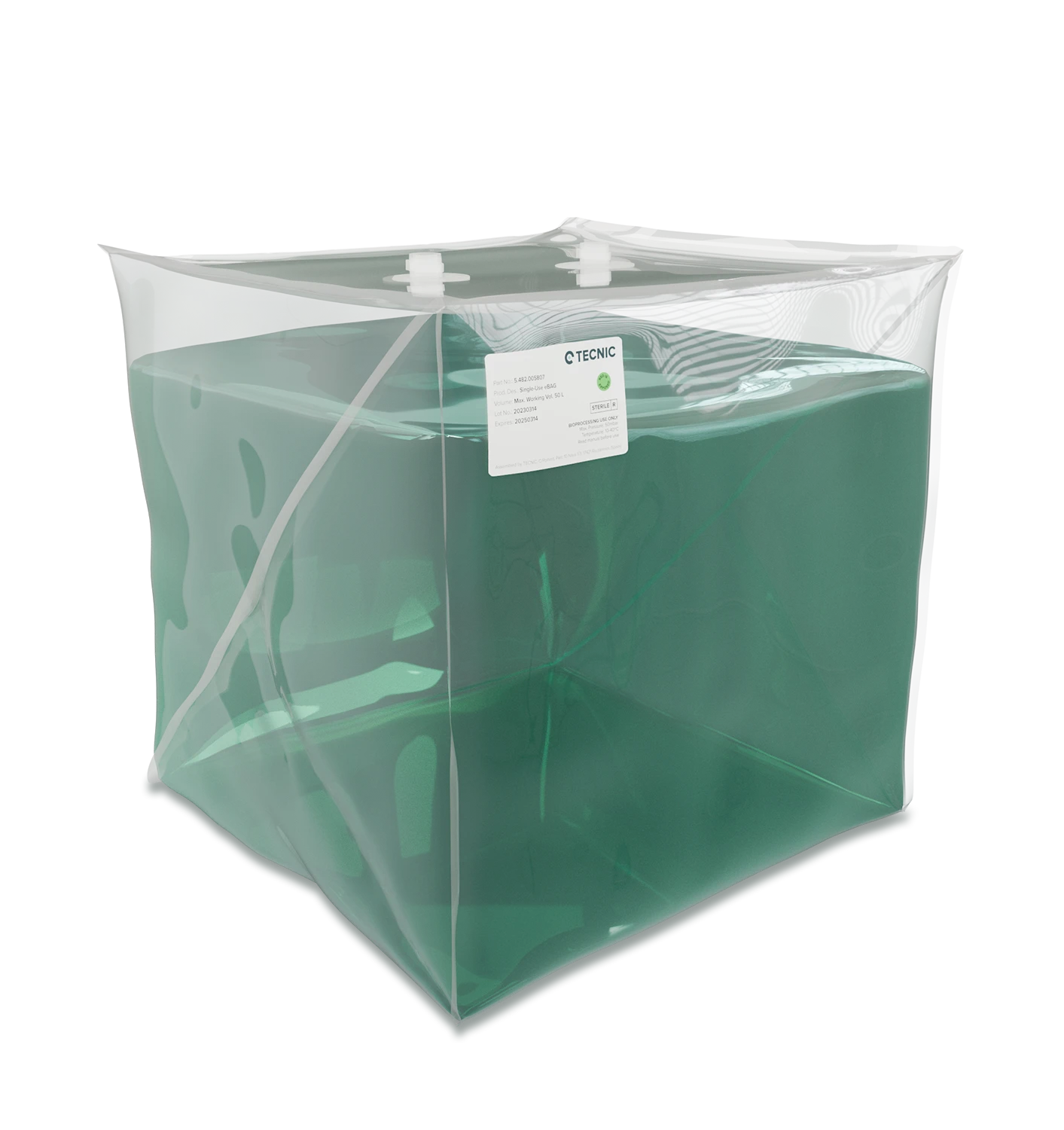
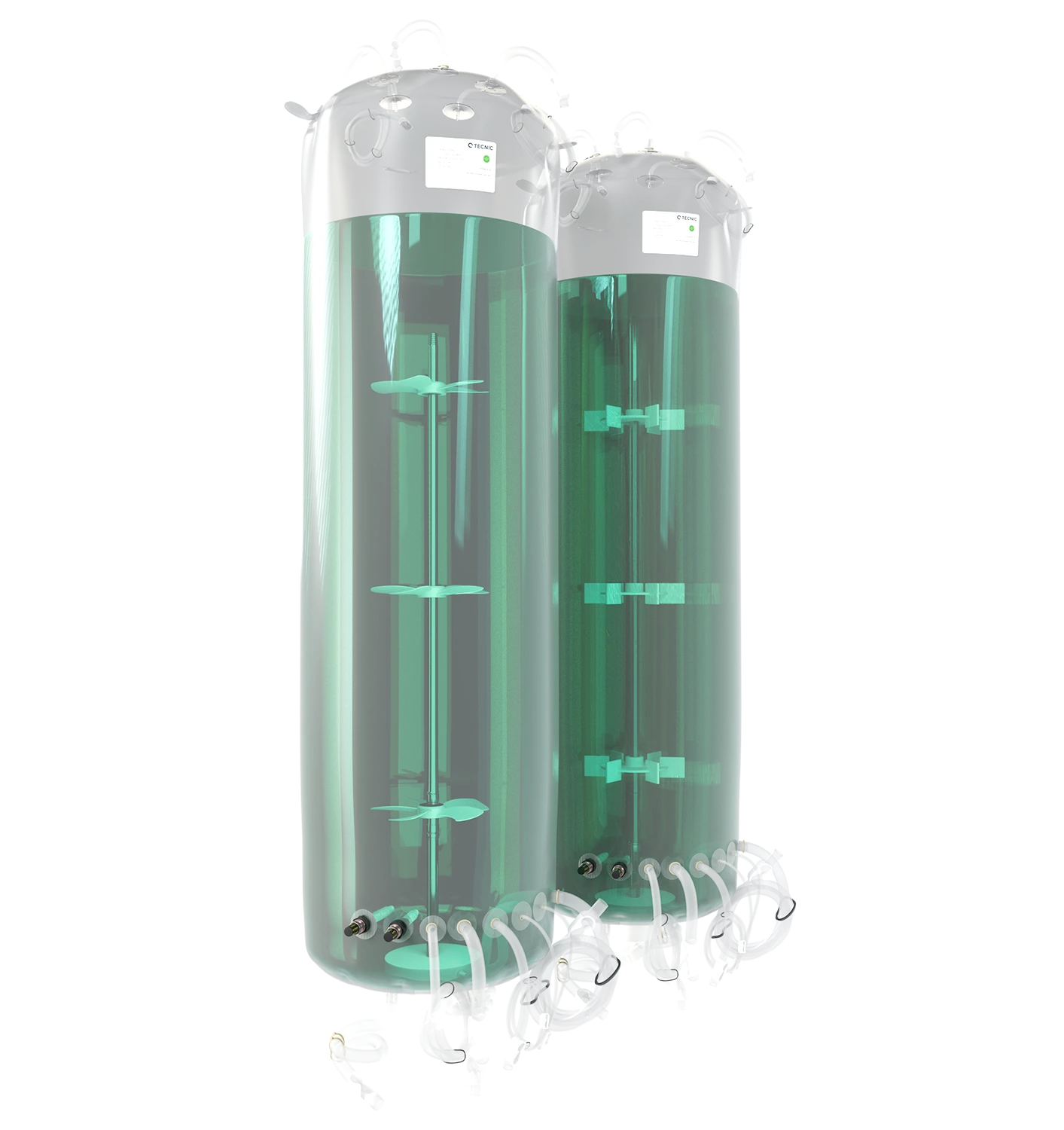
Single-use bioreactors are closed cultivation systems that use disposable product-contact components, usually bag-based assemblies, instead of fixed stainless-steel vessels that must be cleaned and sterilized between batches.
Their value lies in reducing preparation work between runs. Instead of relying on CIP and SIP routines for every batch, the product-contact path is replaced, which shortens turnaround and lowers the operational burden around cleaning validation.
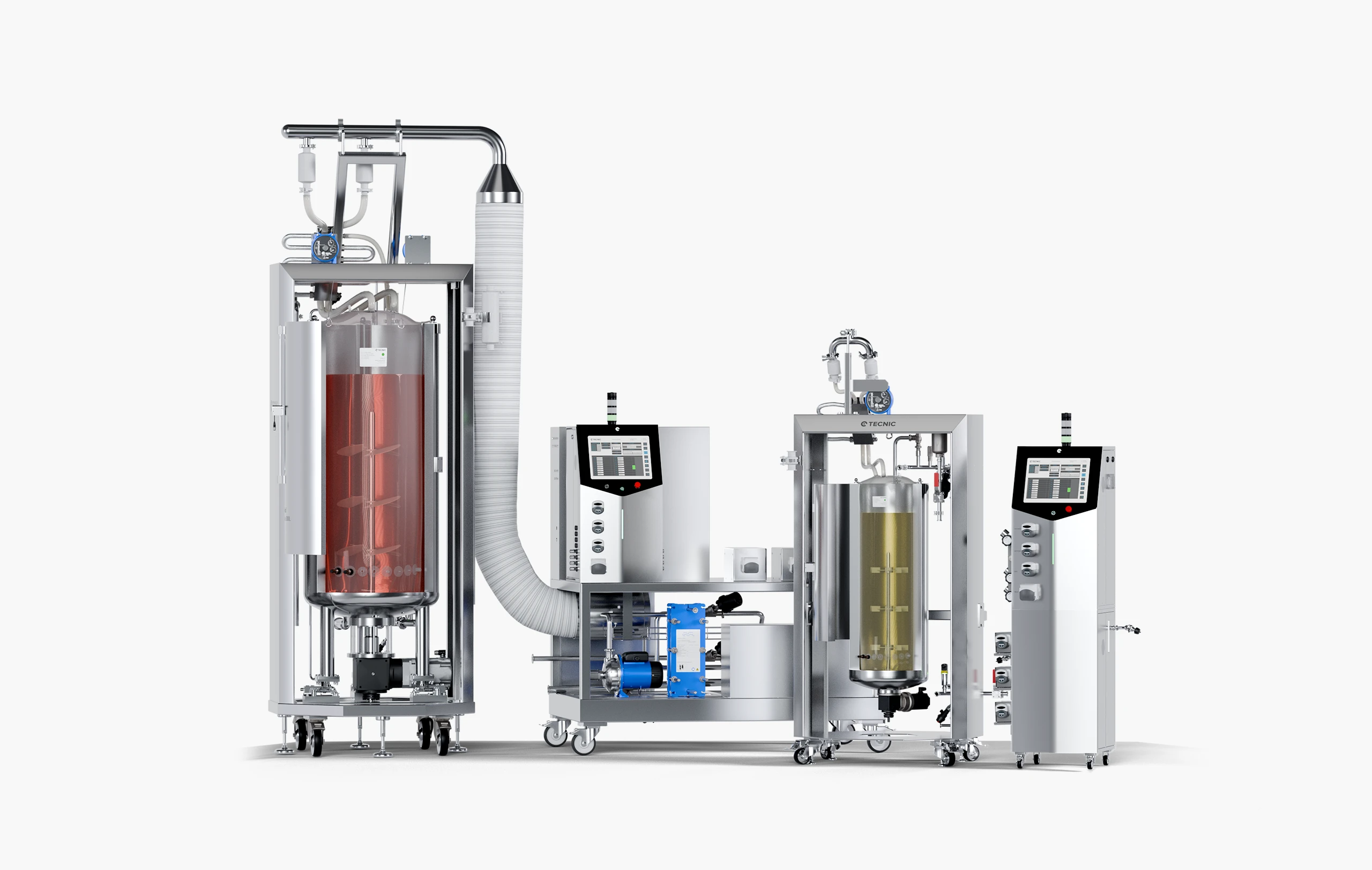
The core difference is not only the vessel material, but the whole operating philosophy around changeover, cleaning and campaign flexibility.
Why single-use bioreactors matter in biopharma
Biopharma increasingly works under conditions that reward flexibility. Product portfolios are broader, batch sizes can be more variable and many facilities need to move between different products without long shutdown periods for cleaning and validation.
Single-use systems fit this model especially well because they help reduce downtime, support multi-product strategies and lower the risk of product carryover between campaigns.
Reduces the delay between batches because the product-contact path is replaced instead of cleaned and revalidated.
Helps reduce cross-contamination concerns in multi-product and advanced-therapy environments.
Supports facilities that need to adapt quickly to different products or process stages.
Helps shorten preparation and validation timelines in fast-moving manufacturing settings.
Main benefits of single-use bioreactors
The main appeal of single-use systems comes from the way they simplify operations while supporting high process flexibility.
Single-use becomes more attractive when the cost of delay, cleaning and cross-contamination risk is higher than the cost of disposable product-contact components.
Where single-use bioreactors are most used
Single-use systems are especially common in process development, clinical manufacturing, flexible pilot production and advanced therapy workflows. They are also increasingly relevant in commercial biologics manufacturing where batch flexibility and speed matter more than traditional fixed-asset logic.
They are often used in vaccines, monoclonal antibodies, recombinant proteins, cell therapies and gene-therapy manufacturing, particularly where facility agility is a strategic advantage.
Main limitations and trade-offs
Single-use technology is not a universal answer. It brings clear advantages, but also introduces trade-offs that need to be managed carefully.
Disposable assemblies reduce cleaning burden but increase solid waste and end-of-life handling needs.
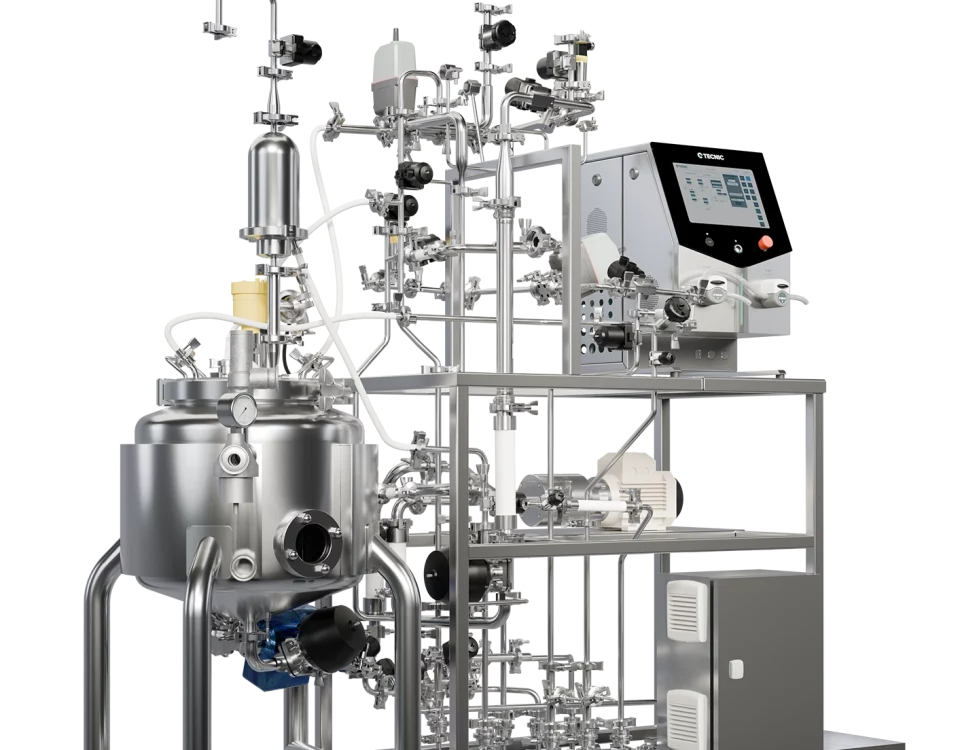
Very large production volumes can still favor reusable systems depending on process economics and facility design.
Process continuity depends on reliable consumables sourcing and bag-assembly availability.
Bag materials, extractables and consistency of disposable components remain important qualification topics.
Single-use is strongest where flexibility and speed dominate the decision, not necessarily where maximum production volume is the only target.
Single-use vs reusable bioreactors comparison table
The table below summarizes the practical difference between both approaches.
| Aspect | Single-use bioreactors | Reusable bioreactors |
|---|---|---|
| Product-contact path | Disposable bag or single-use assembly | Fixed vessel and reusable product-contact surfaces |
| Cleaning between batches | Much lower | Required through cleaning and sterilization workflows |
| Turnaround time | Usually faster | Usually slower because of cleaning and validation |
| Cross-contamination risk | Lower in multiproduct settings | More dependent on cleaning effectiveness and validation |
| Utility demand | Lower cleaning-related utility demand | Higher dependence on water, steam and cleaning infrastructure |
| Waste profile | Higher disposable-material waste | Lower disposable waste but higher cleaning-resource use |
| Typical strength | Flexibility and speed | Long-term fixed large-scale operation |
Why single-use bioreactors shape the future of biopharma
They shape the future because biopharma itself is changing. Modern manufacturing increasingly values agile facilities, shorter development cycles, modular expansion and production environments that can switch products without long reconfiguration periods.
Single-use technology fits that future especially well. It supports decentralized thinking, flexible capacity planning and faster adaptation to new products or market needs. Even when stainless steel remains important, single-use is becoming a defining part of how future-ready facilities are built.
Single-use bioreactors are becoming future-defining not because they replace everything, but because they match how modern biopharma increasingly needs to operate.
How TECNIC fits this workflow
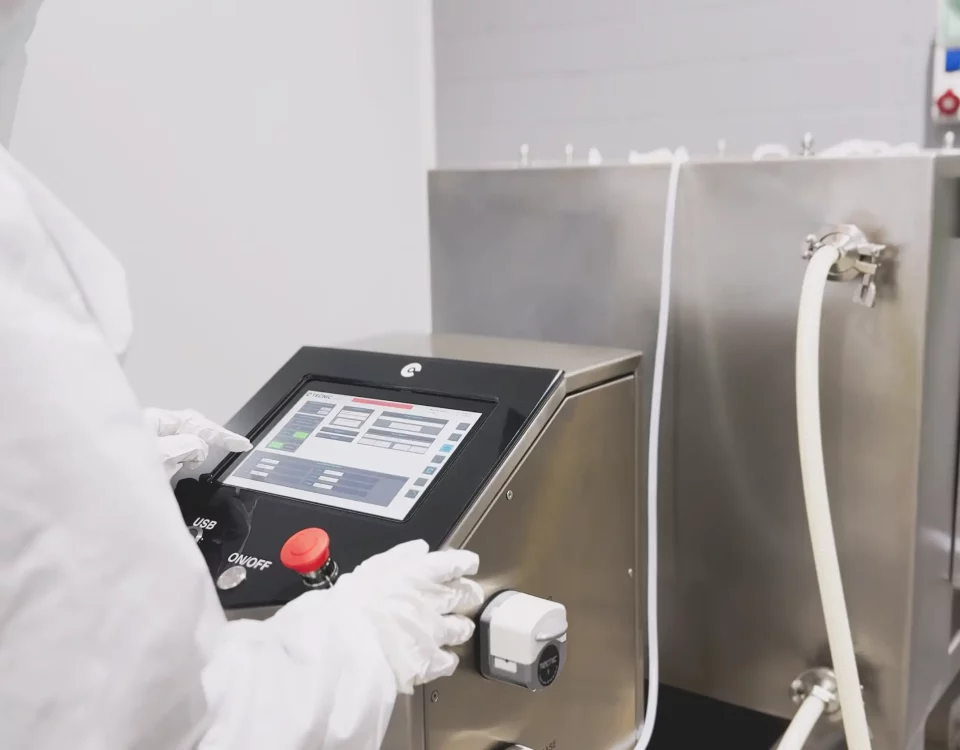
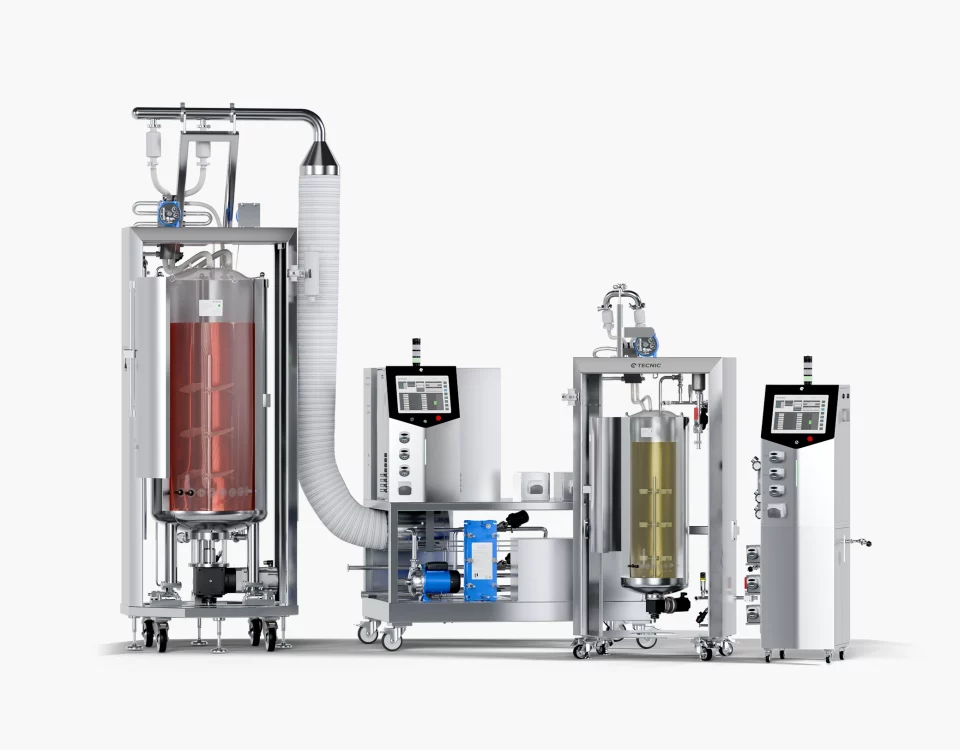
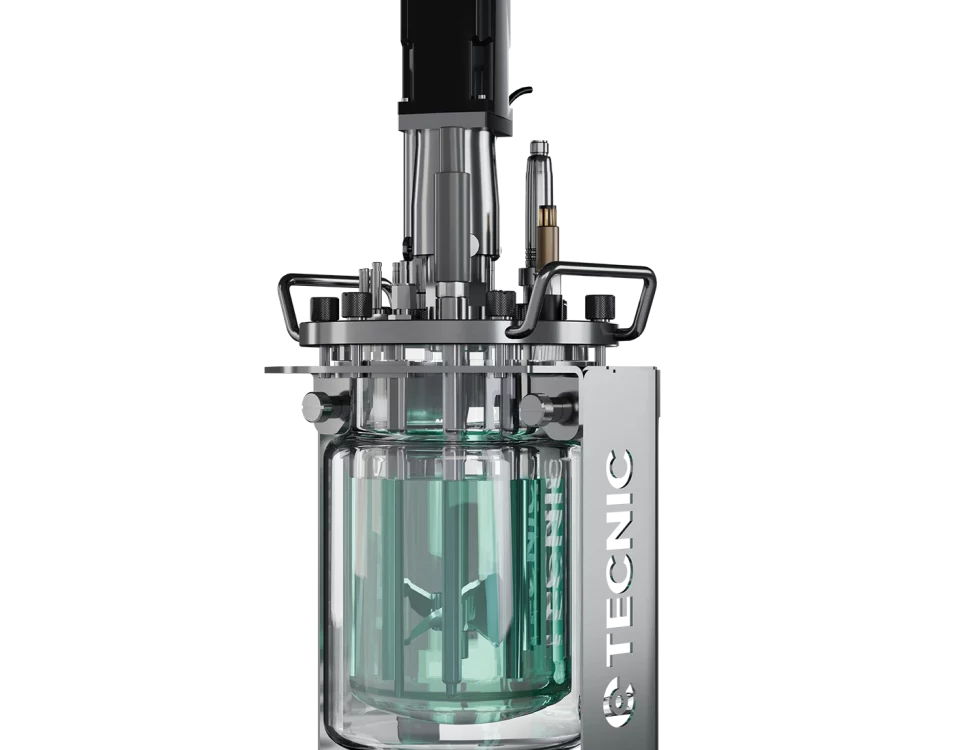
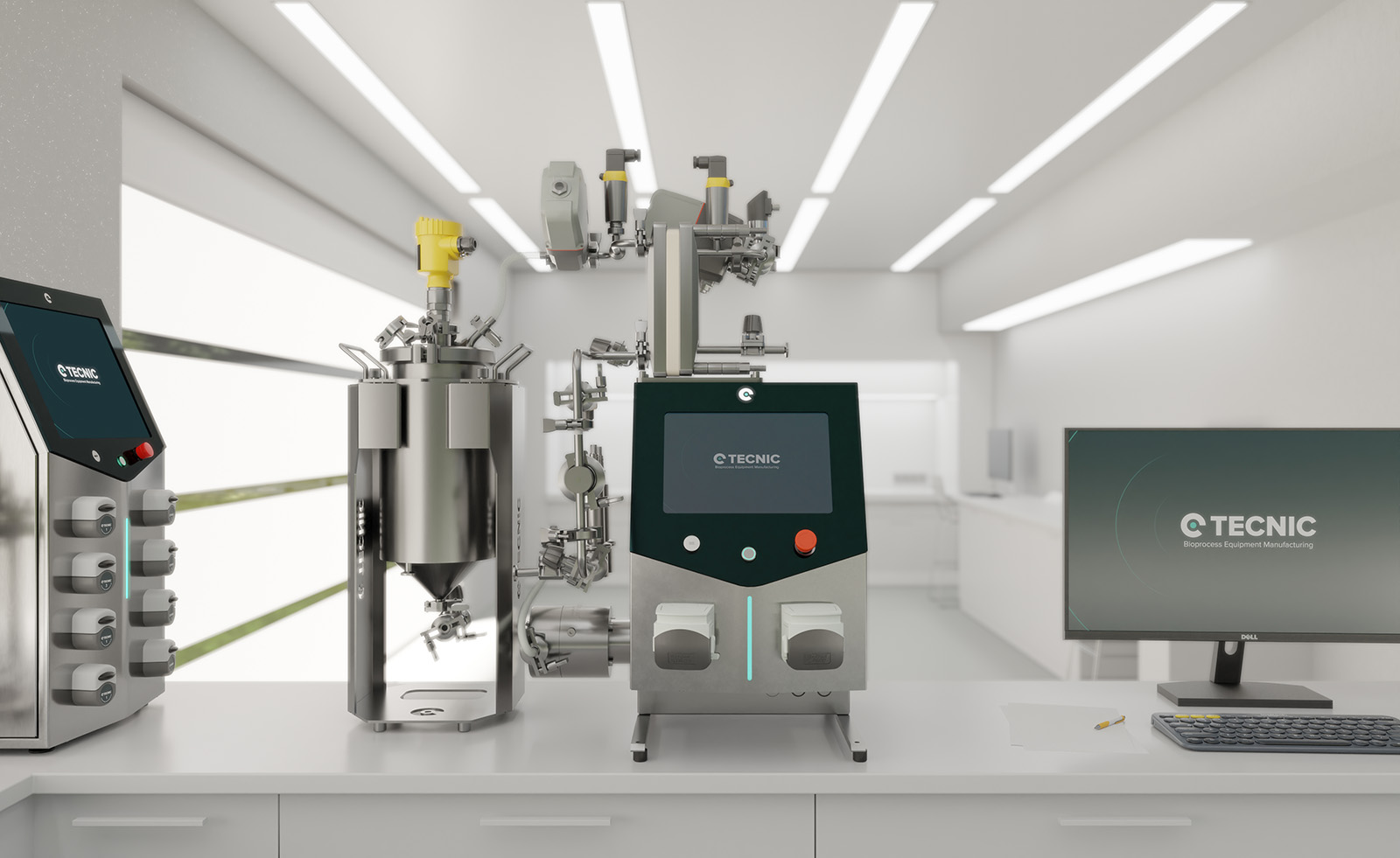
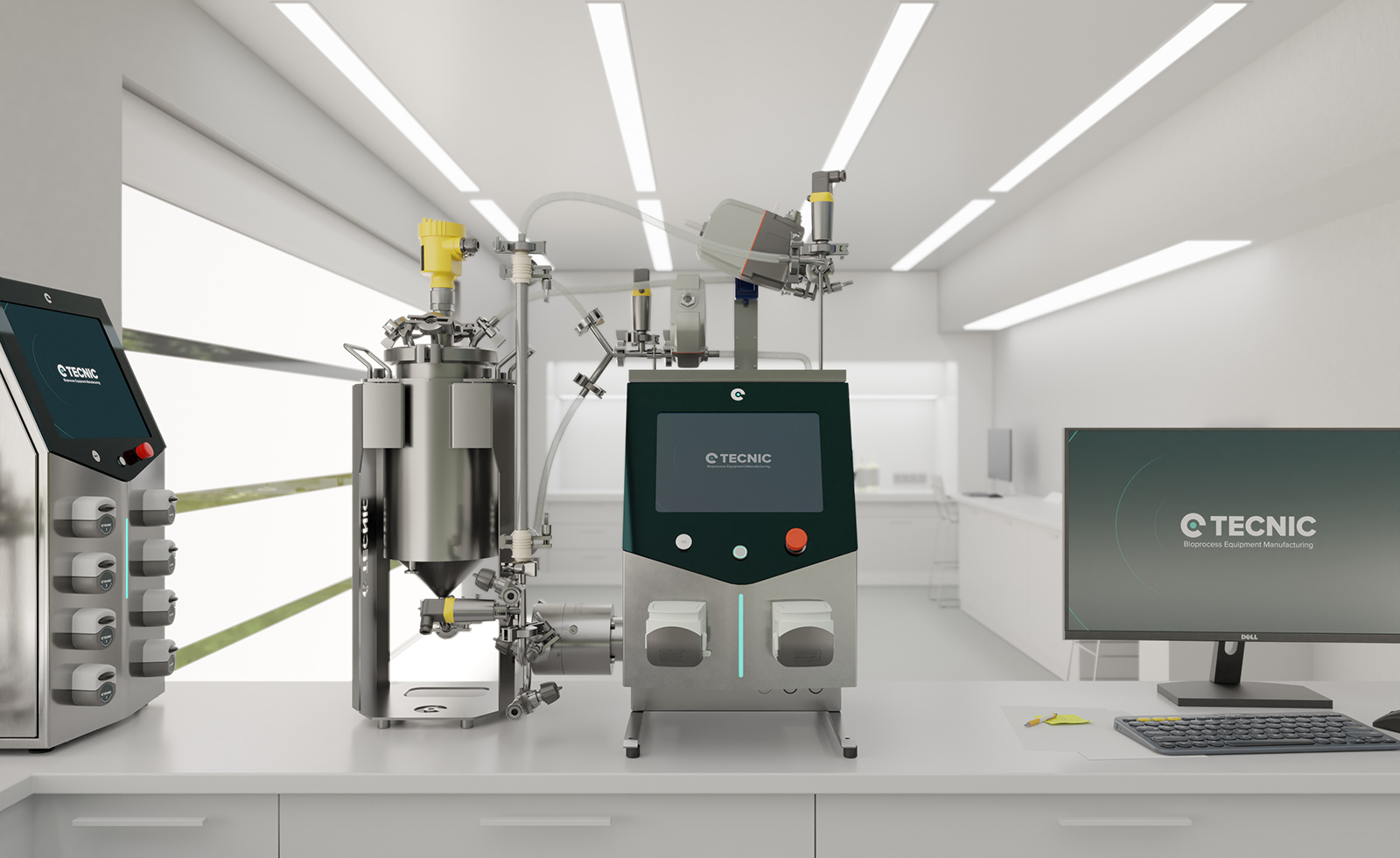
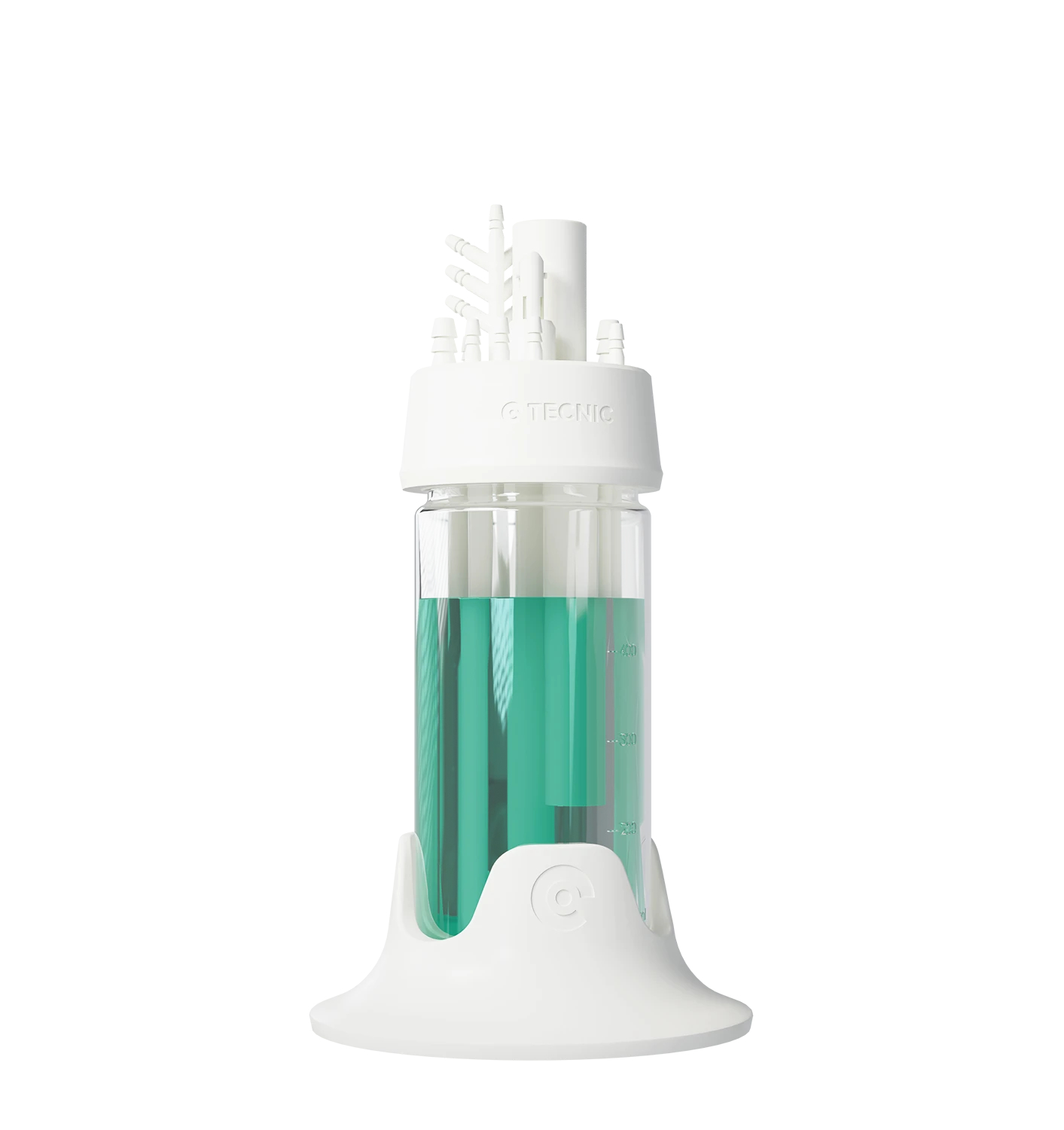
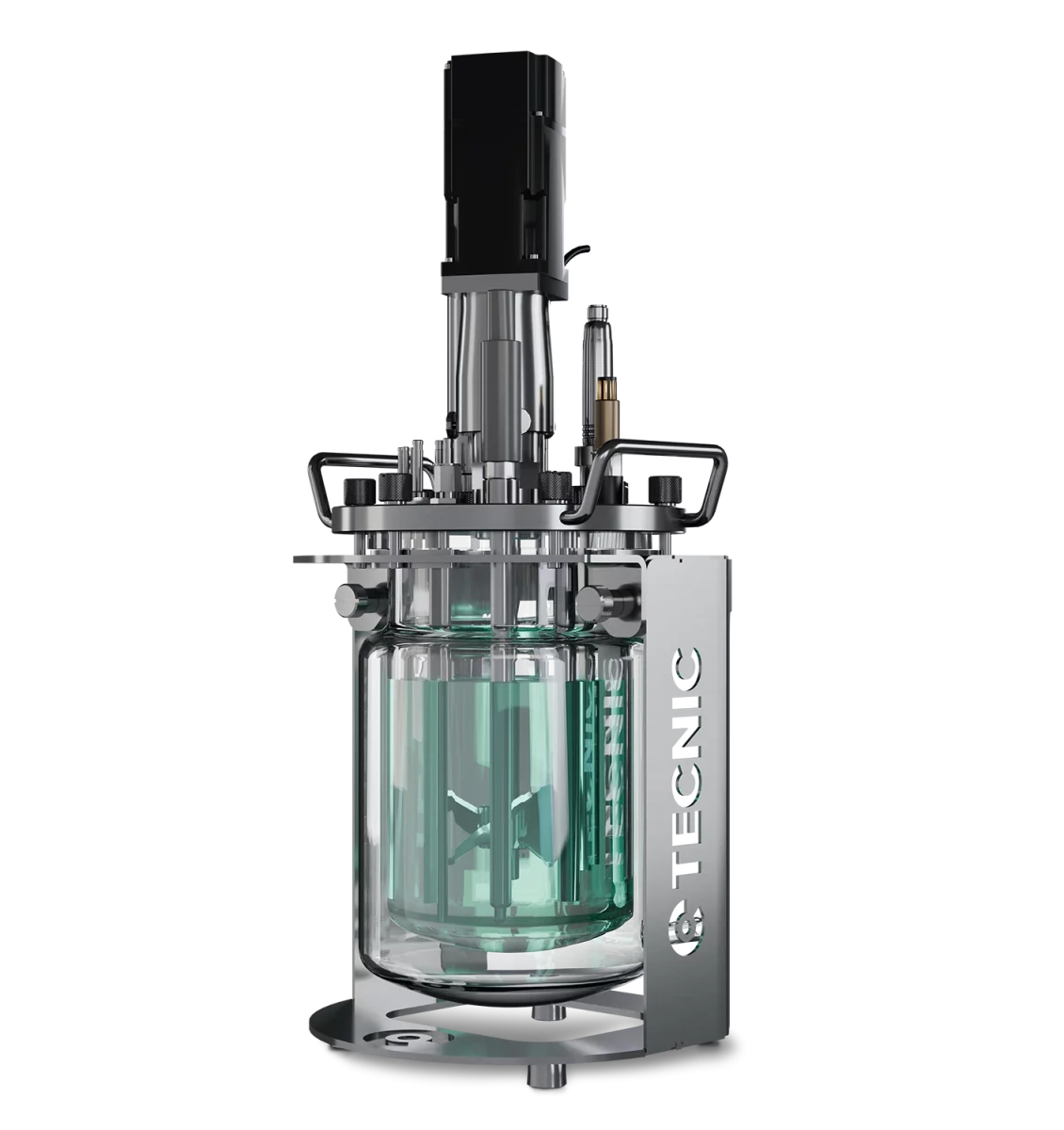
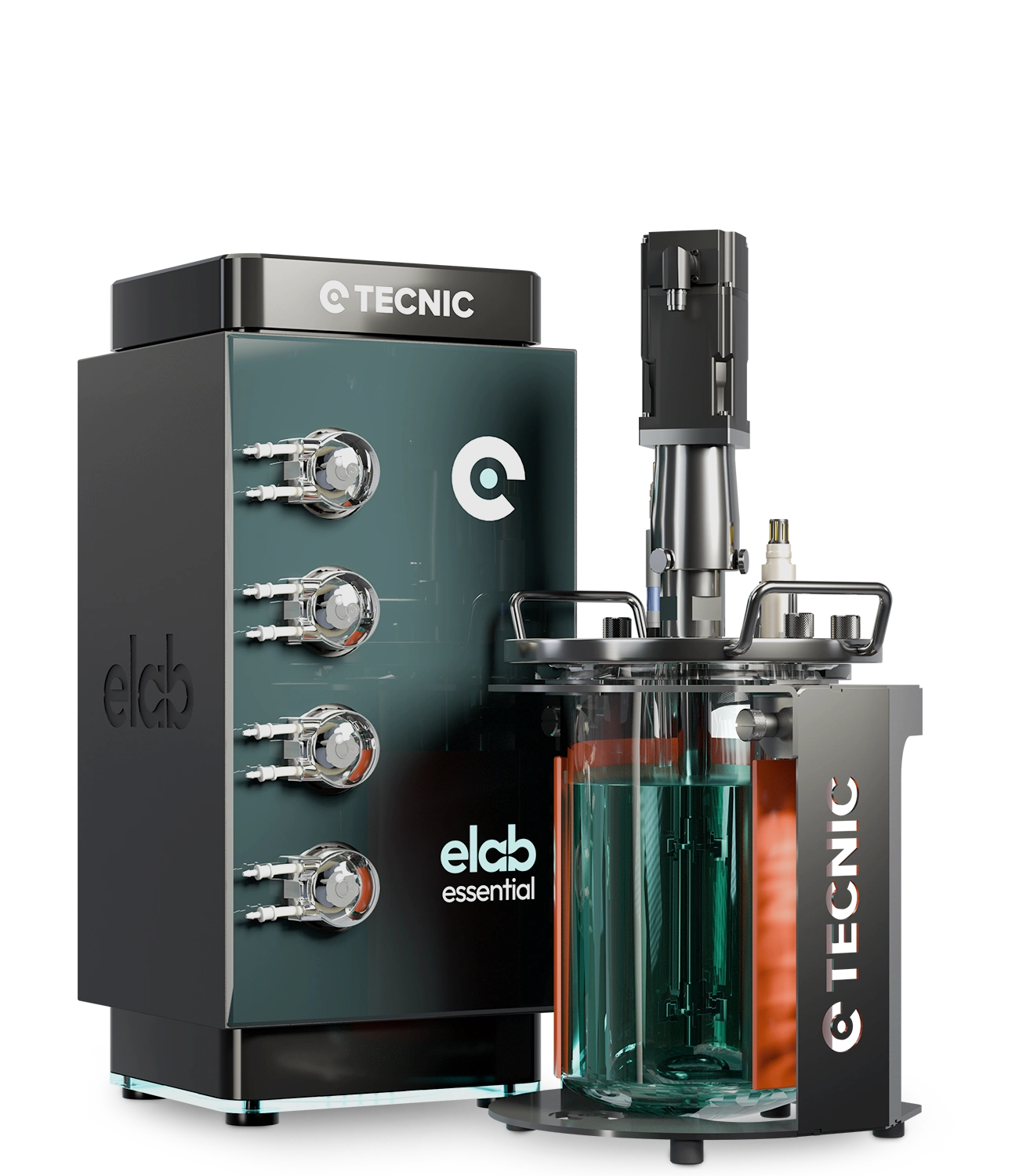
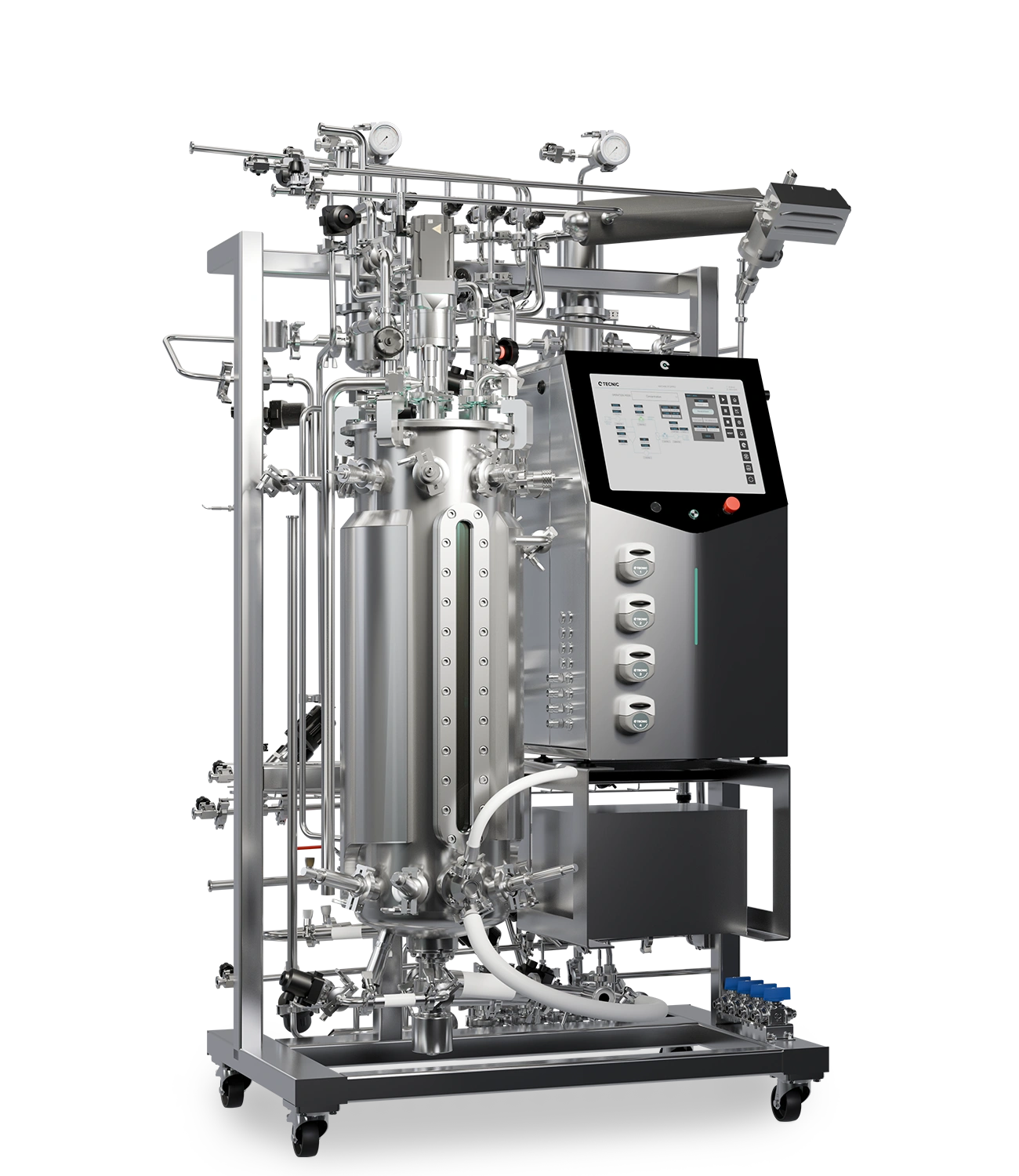
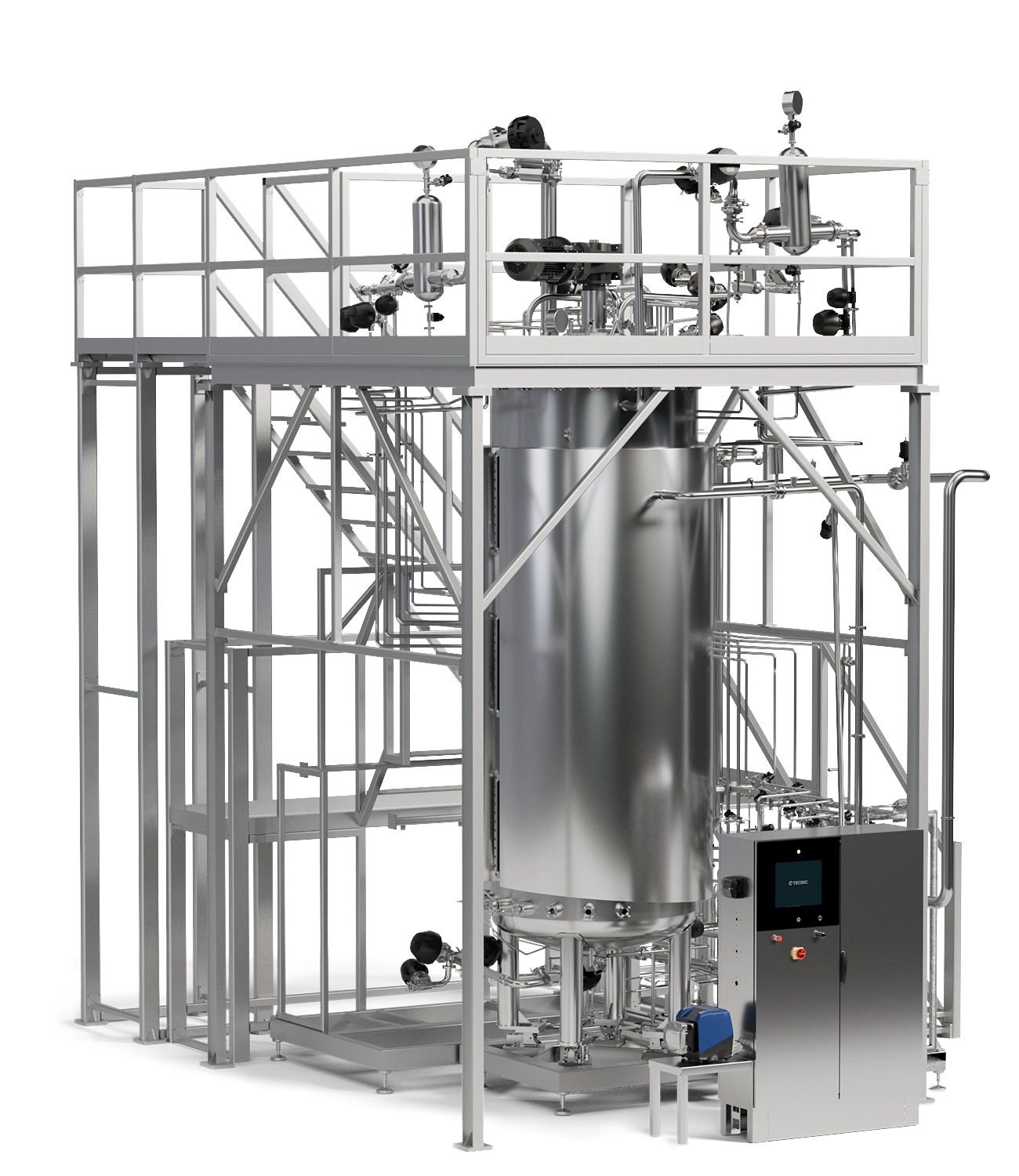
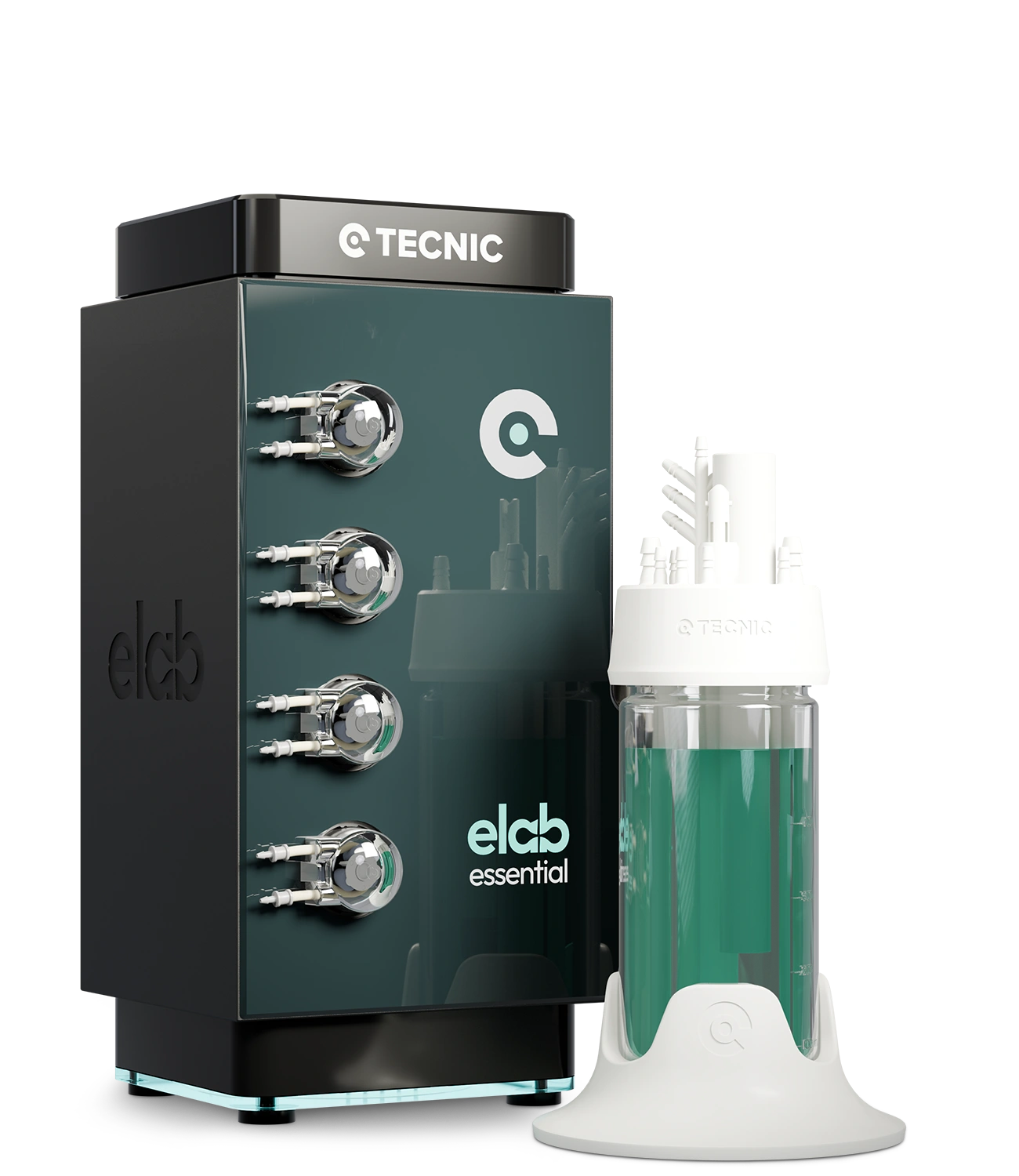
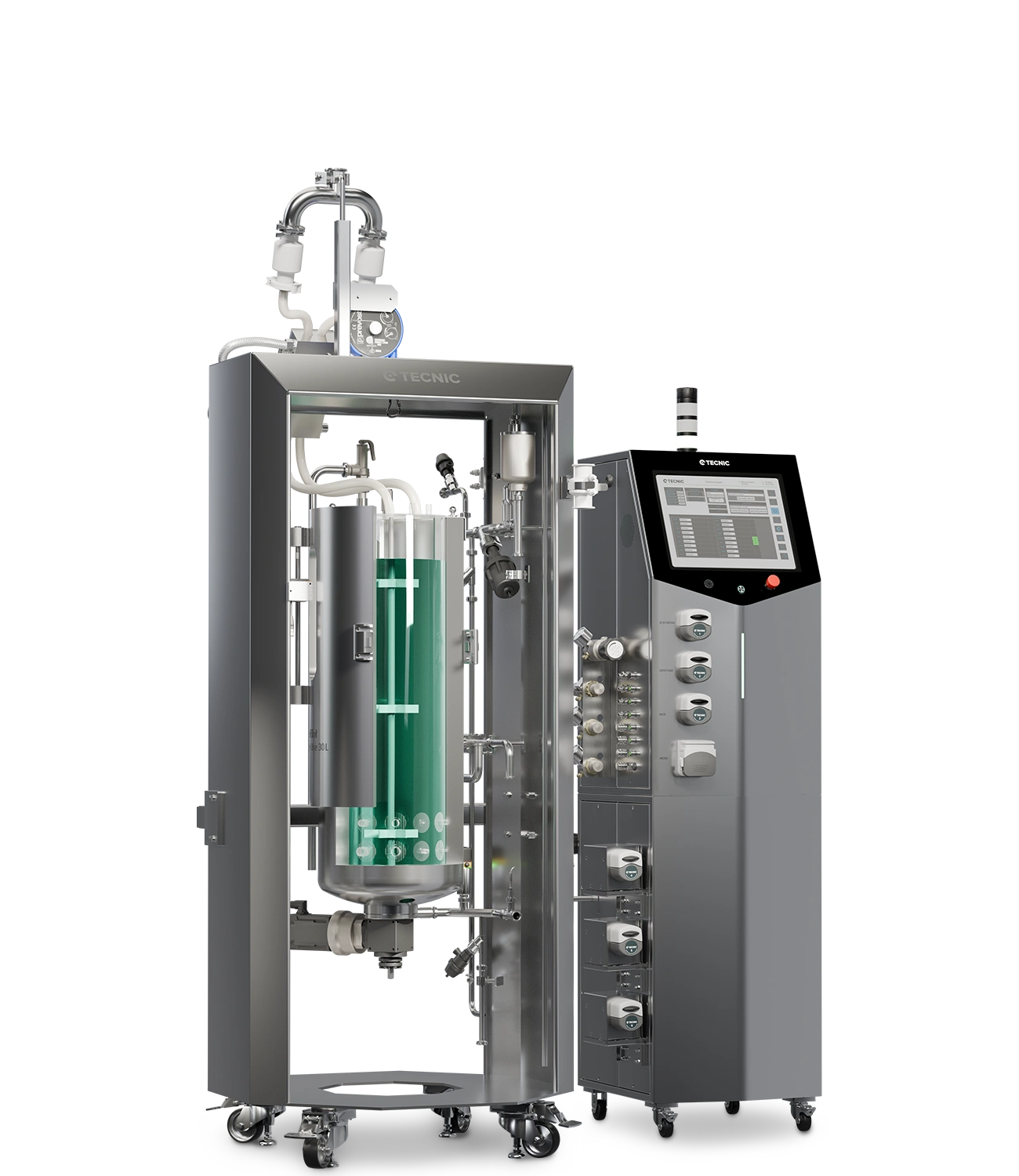
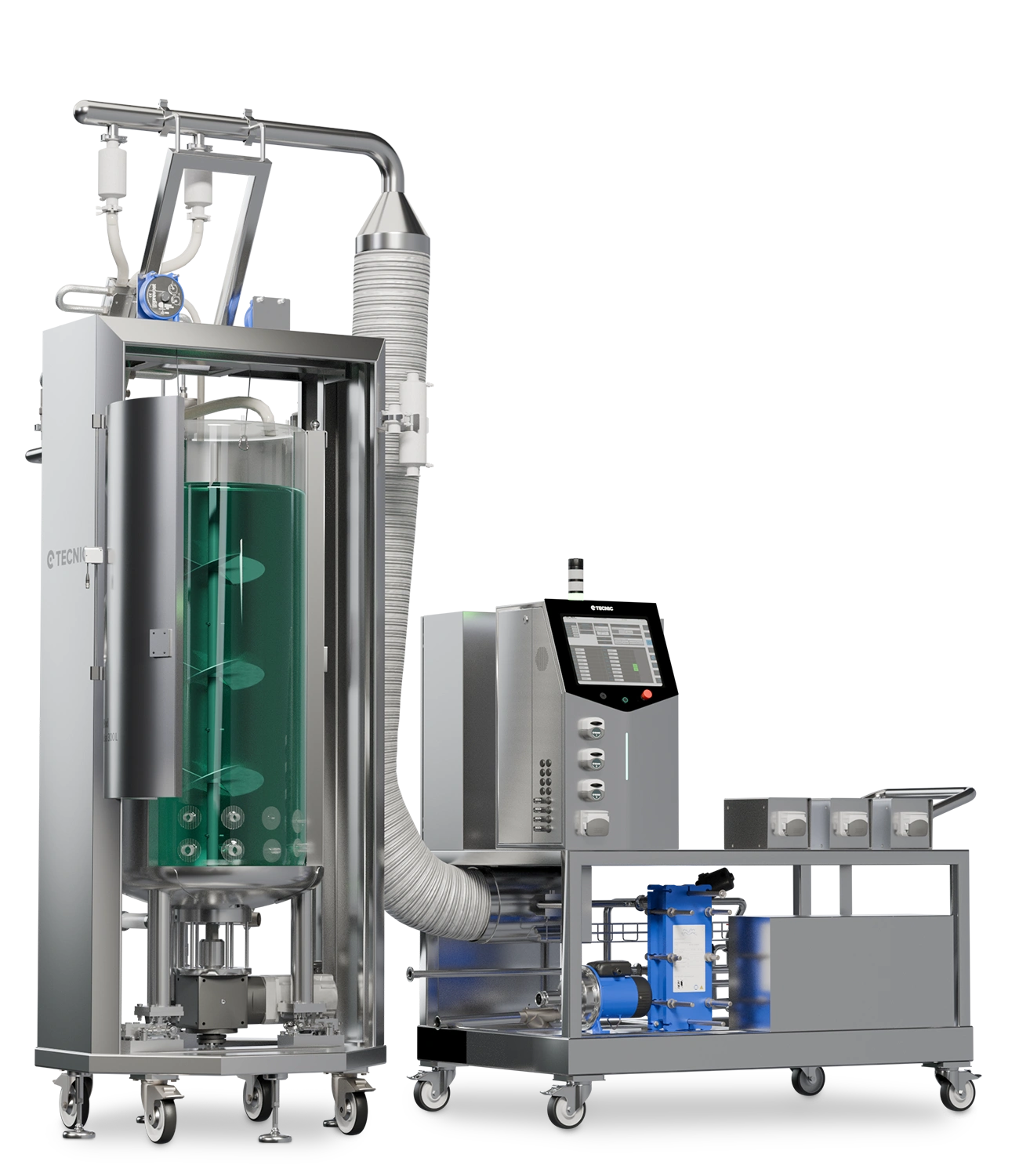
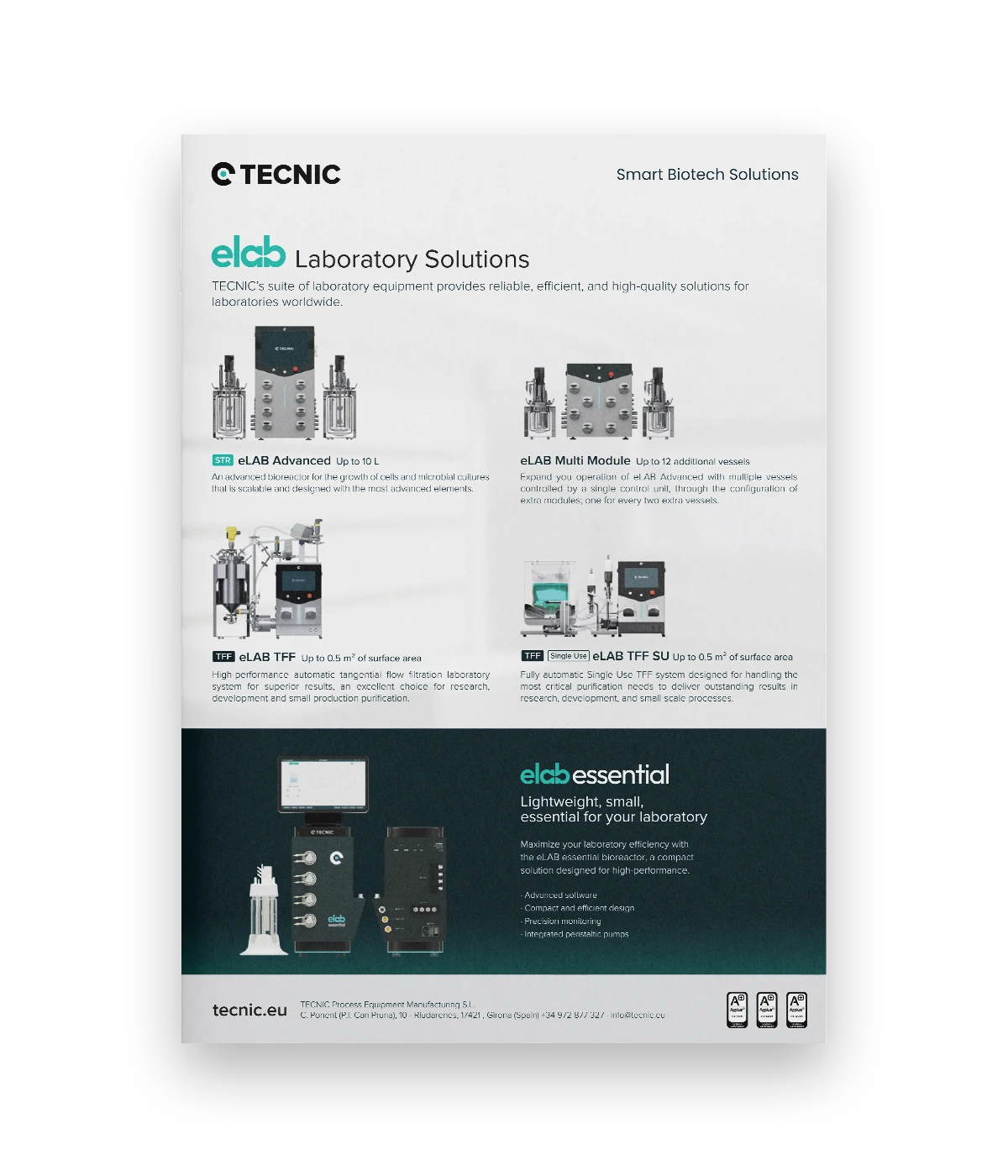
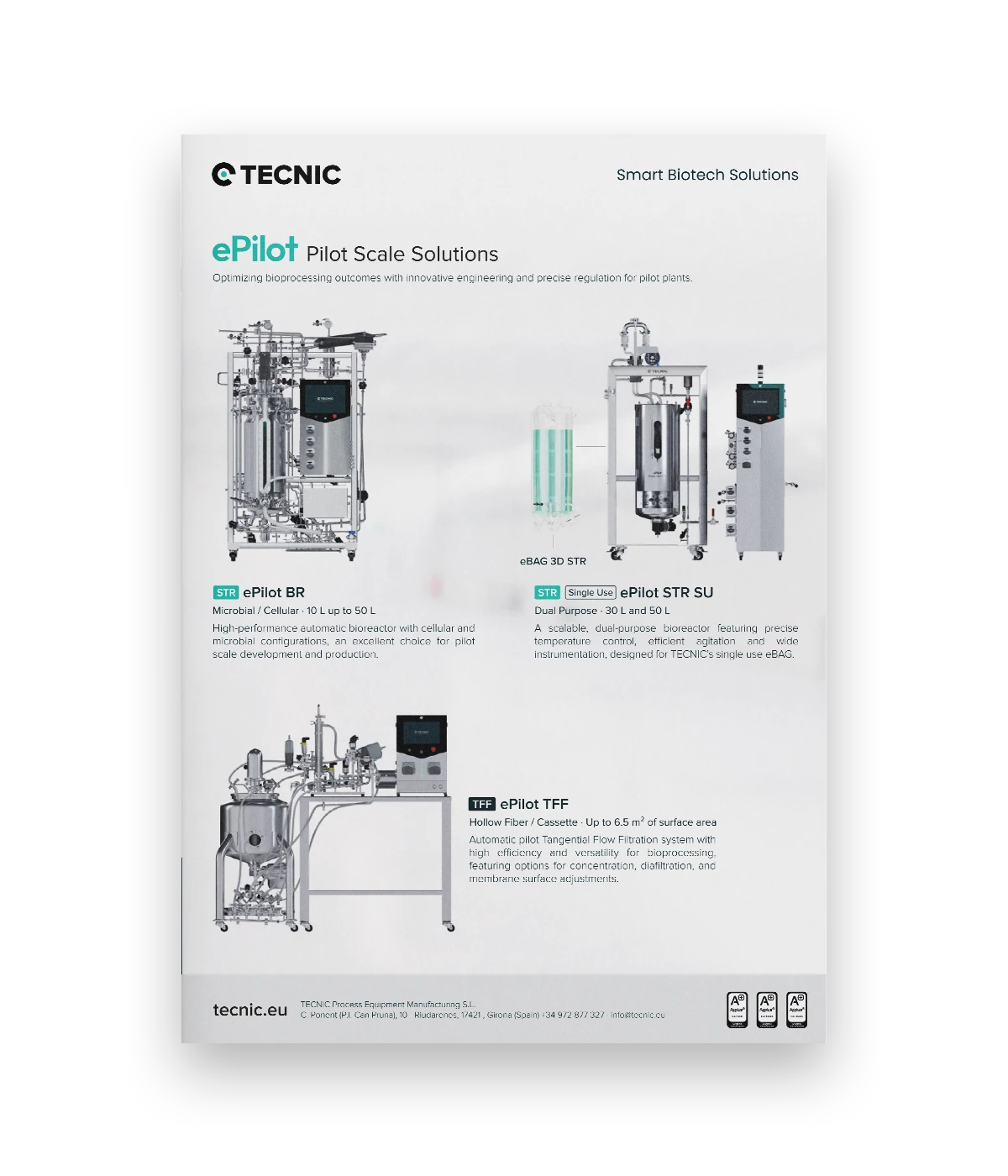
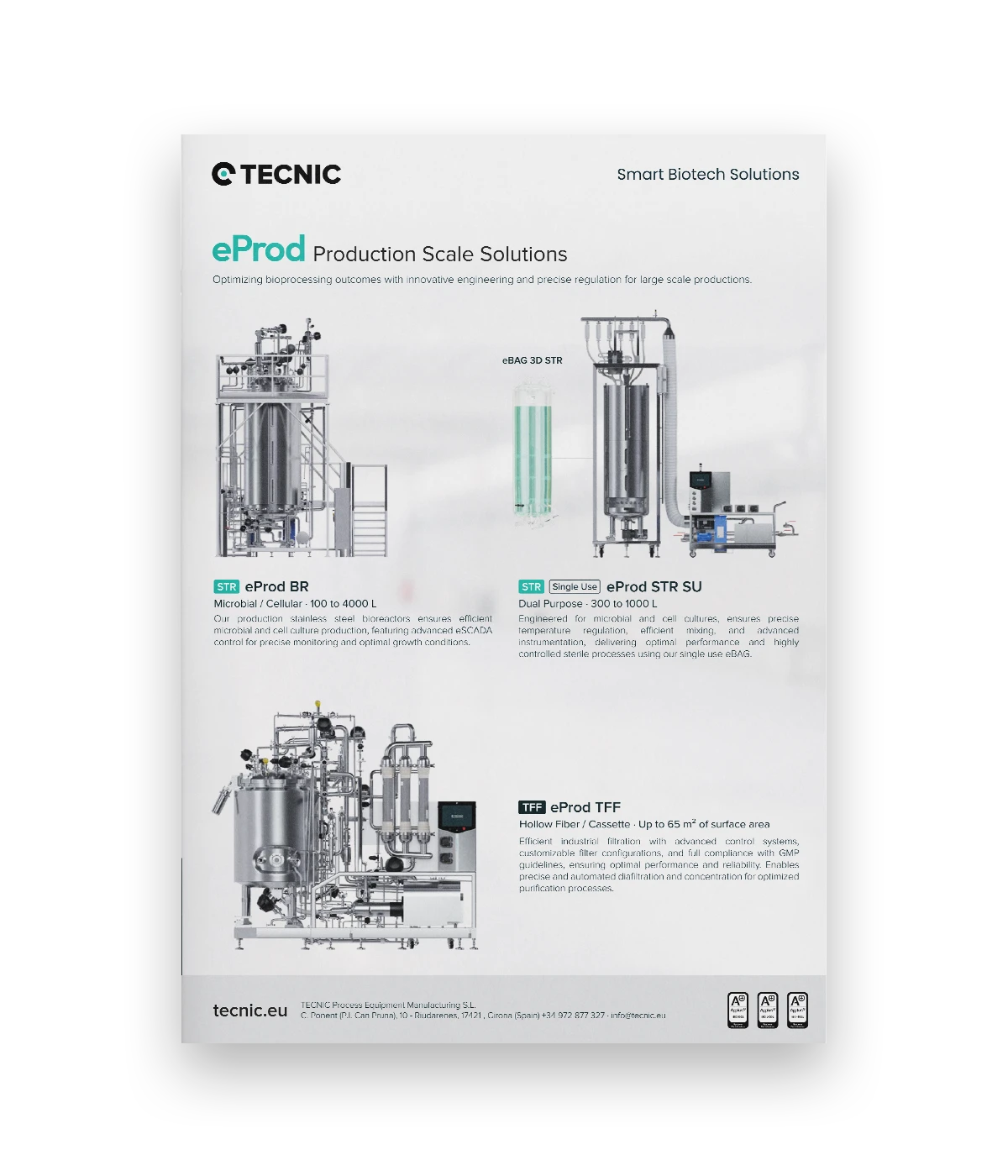
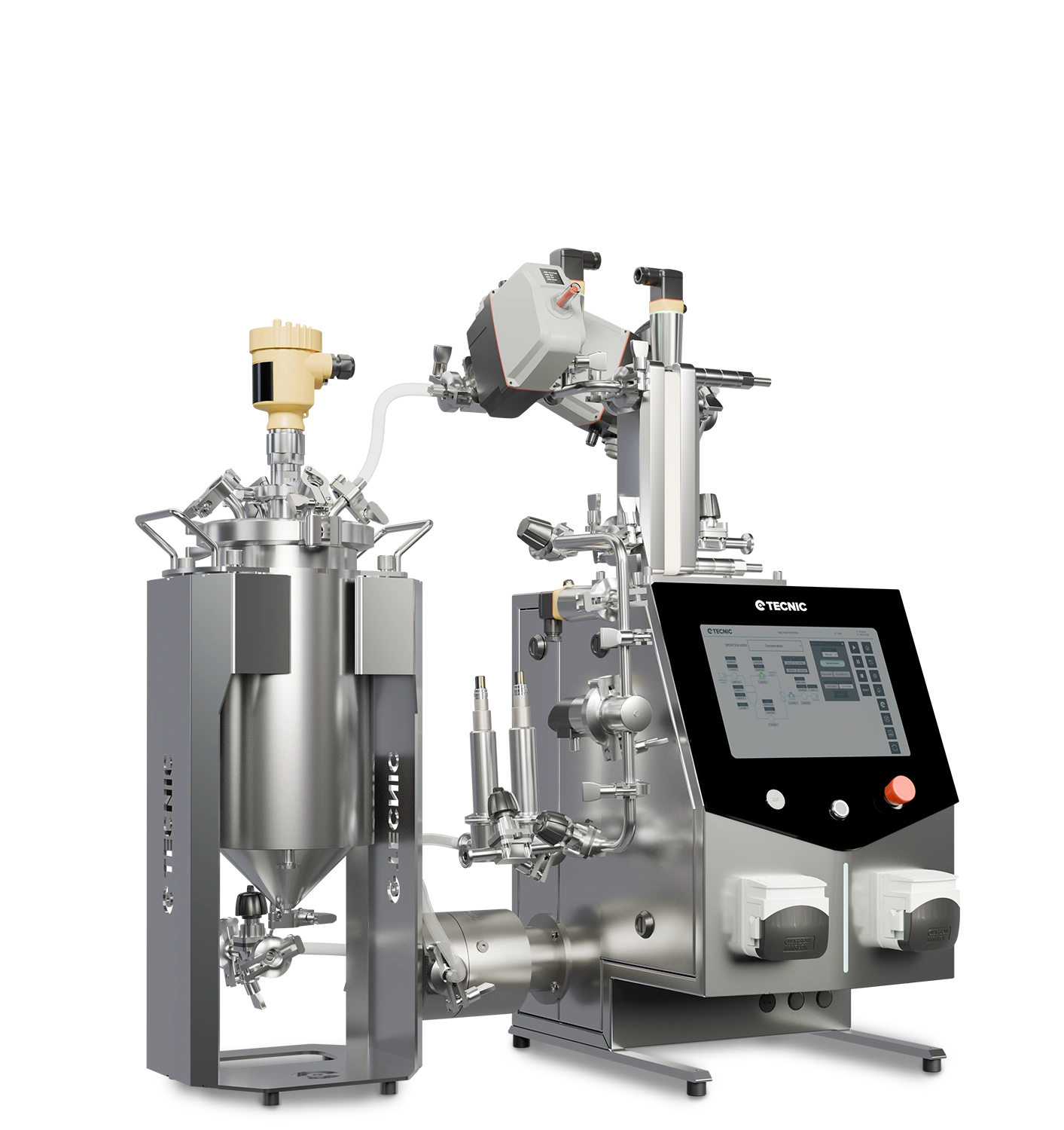
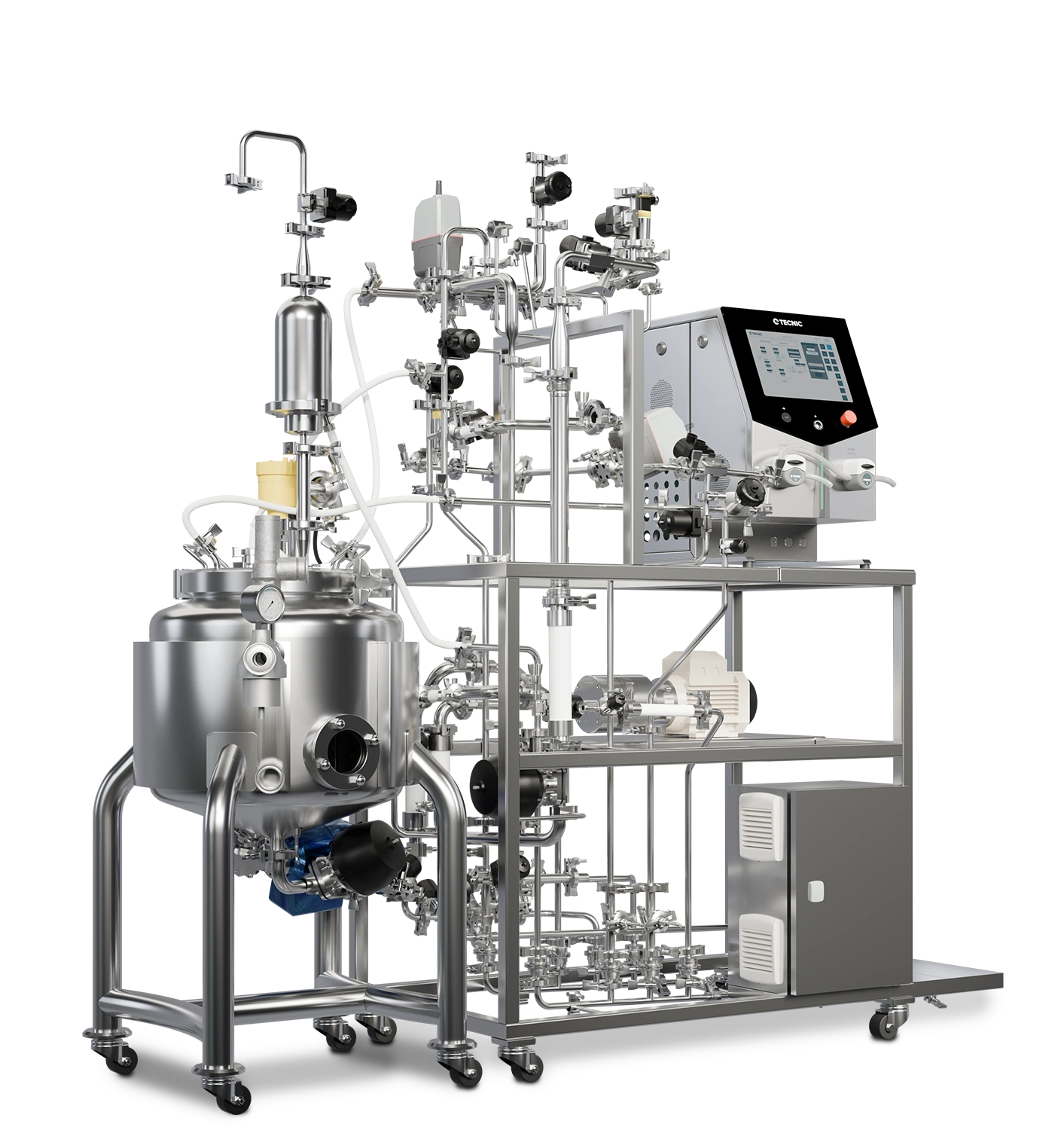
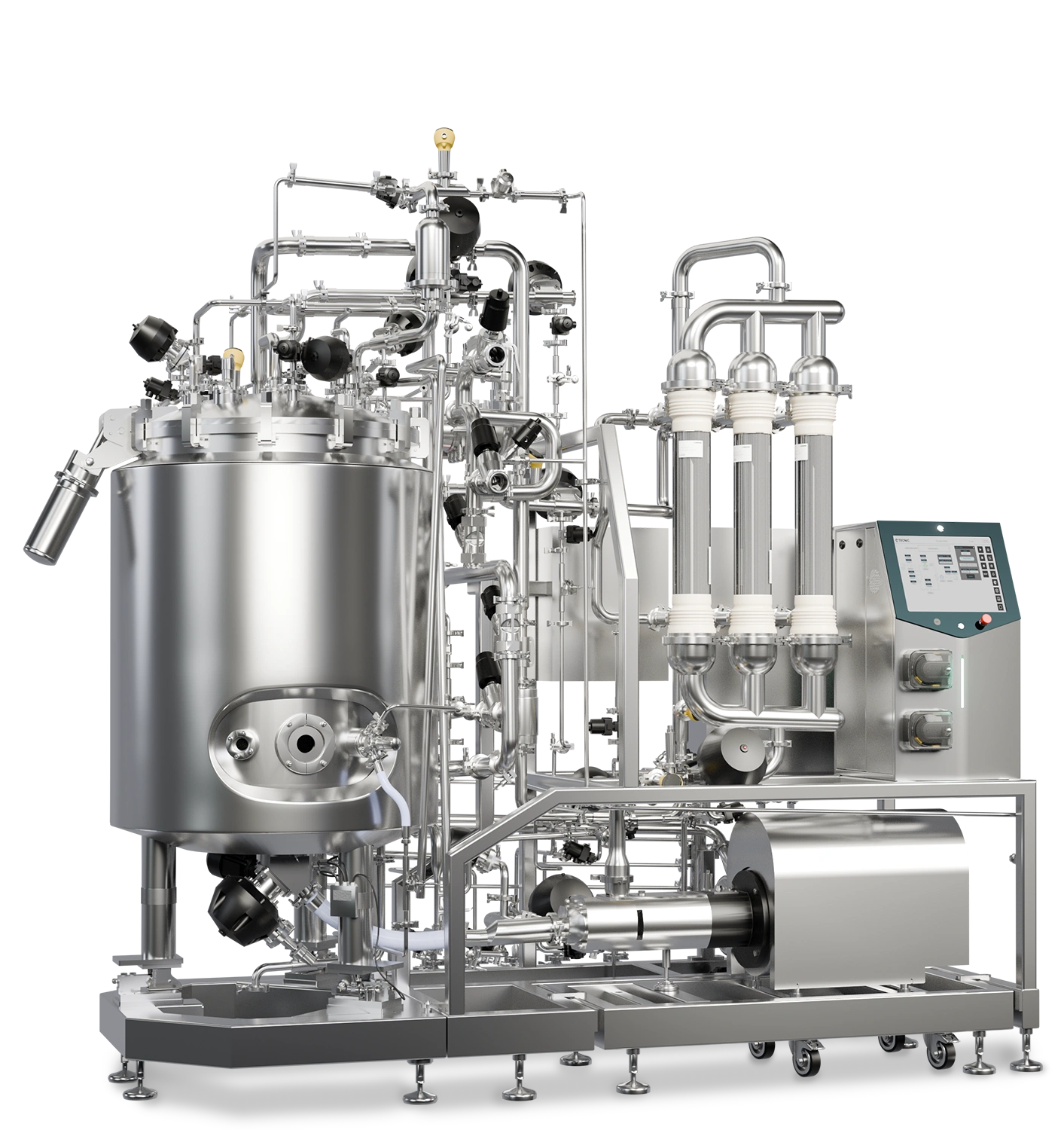
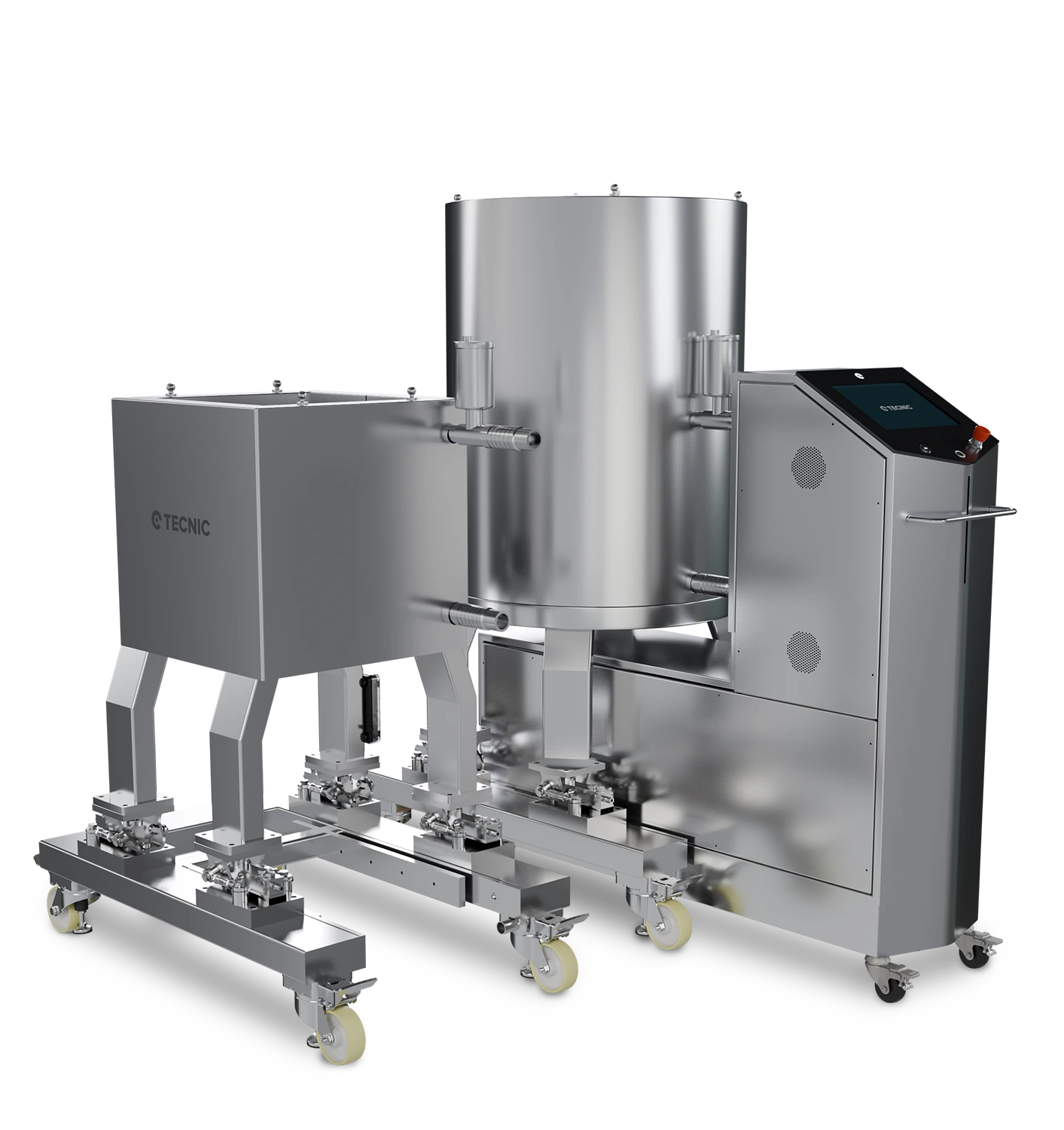
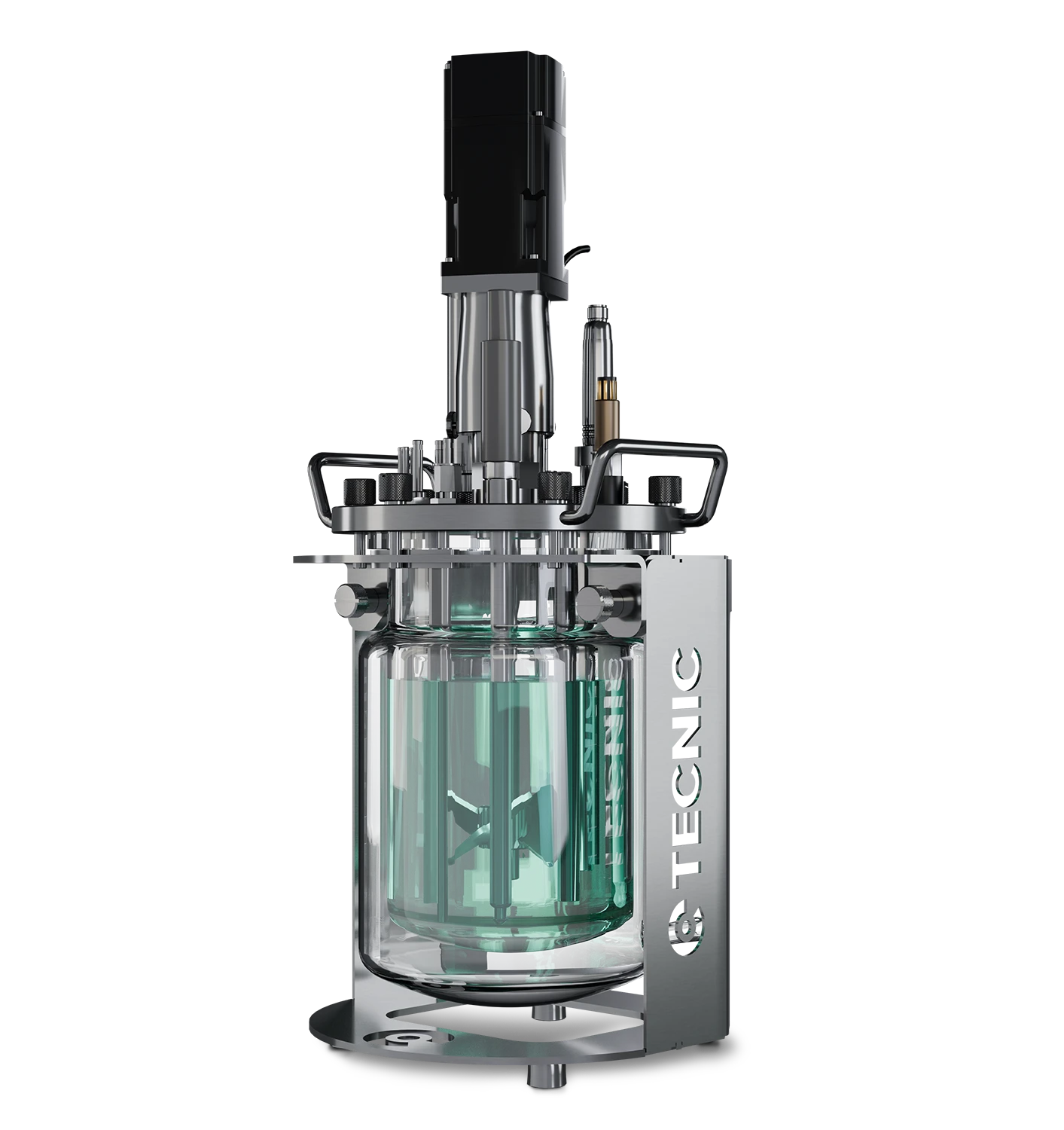
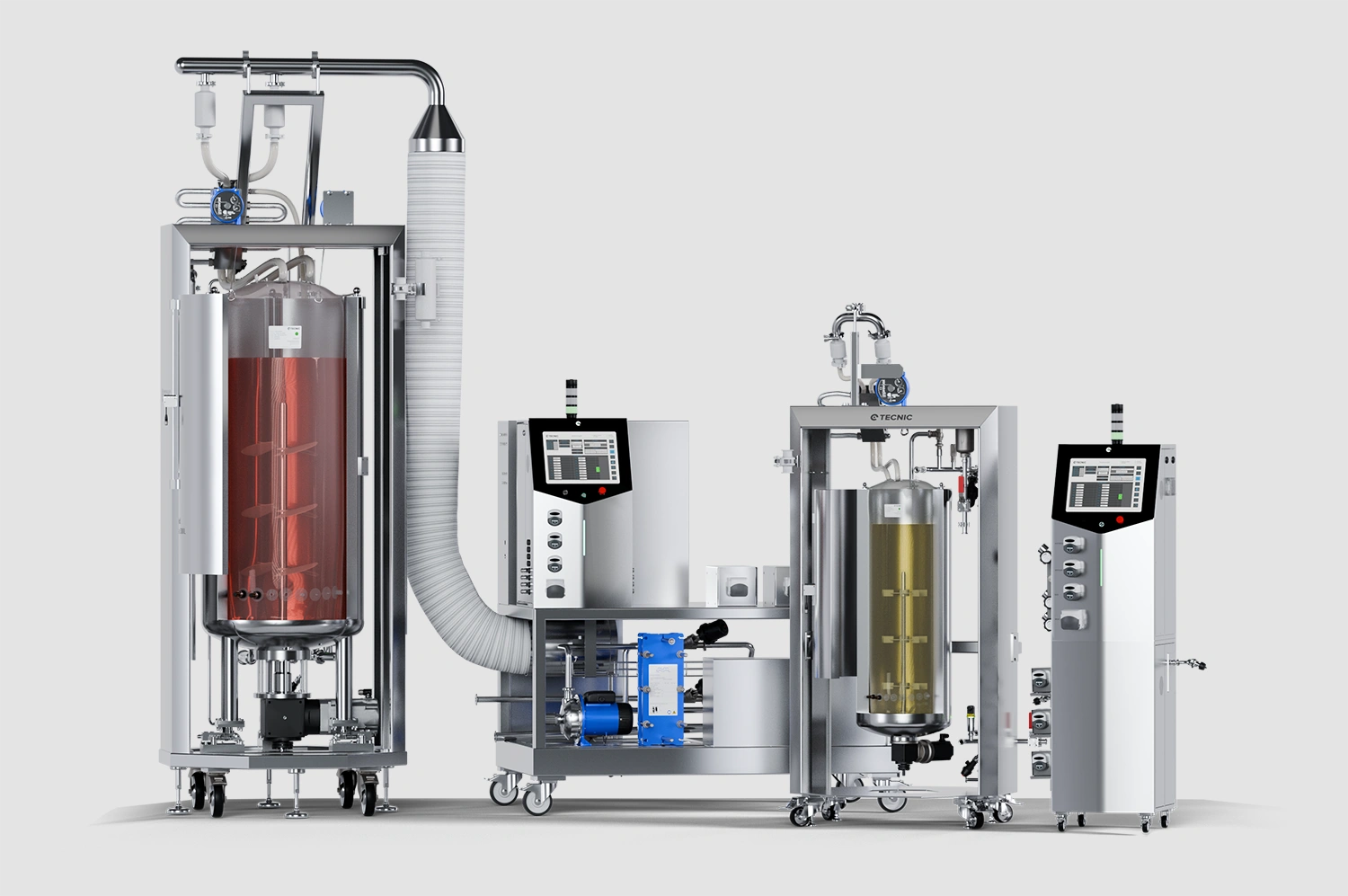
TECNIC fits this topic directly through its single-use bioreactor portfolio, from smaller development formats to larger production-oriented systems. The company’s single-use offer is positioned around flexibility, reduced downtime, lower cross-contamination risk and support for both cellular and microbial processes.
Single-use bioreactors
Relevant when modern biopharma workflows need faster turnaround and stronger process flexibility.
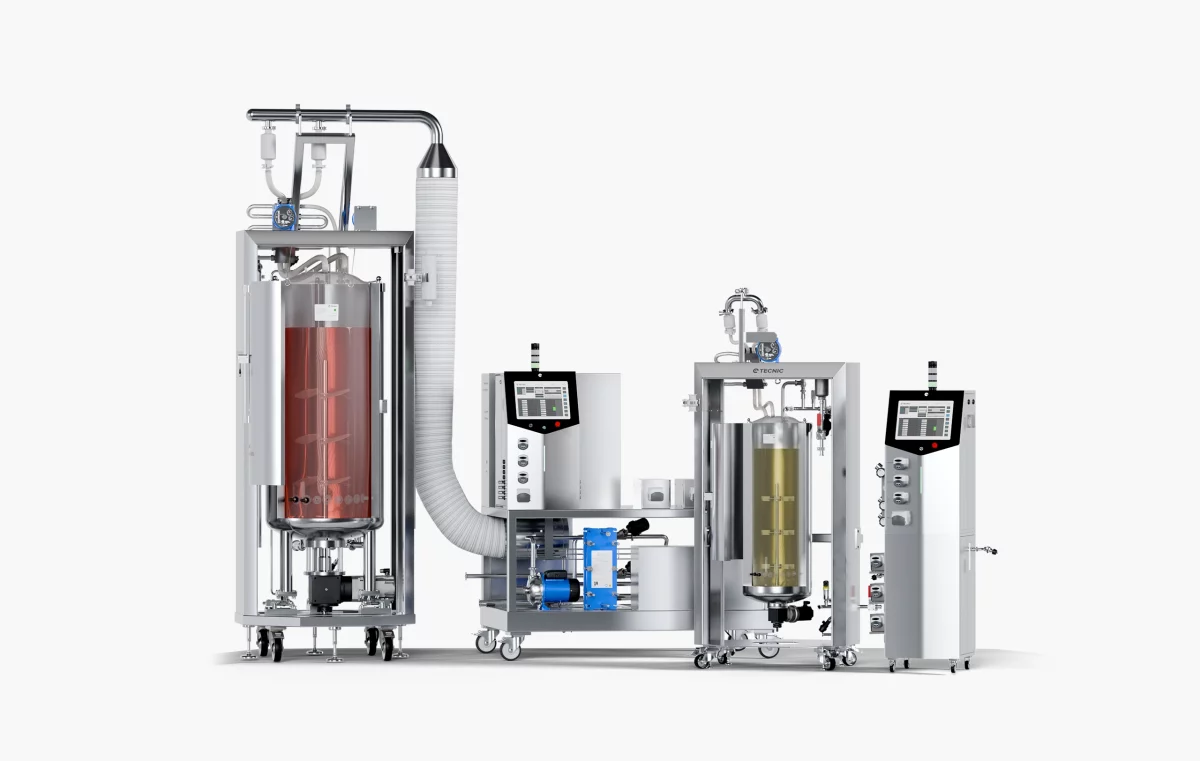
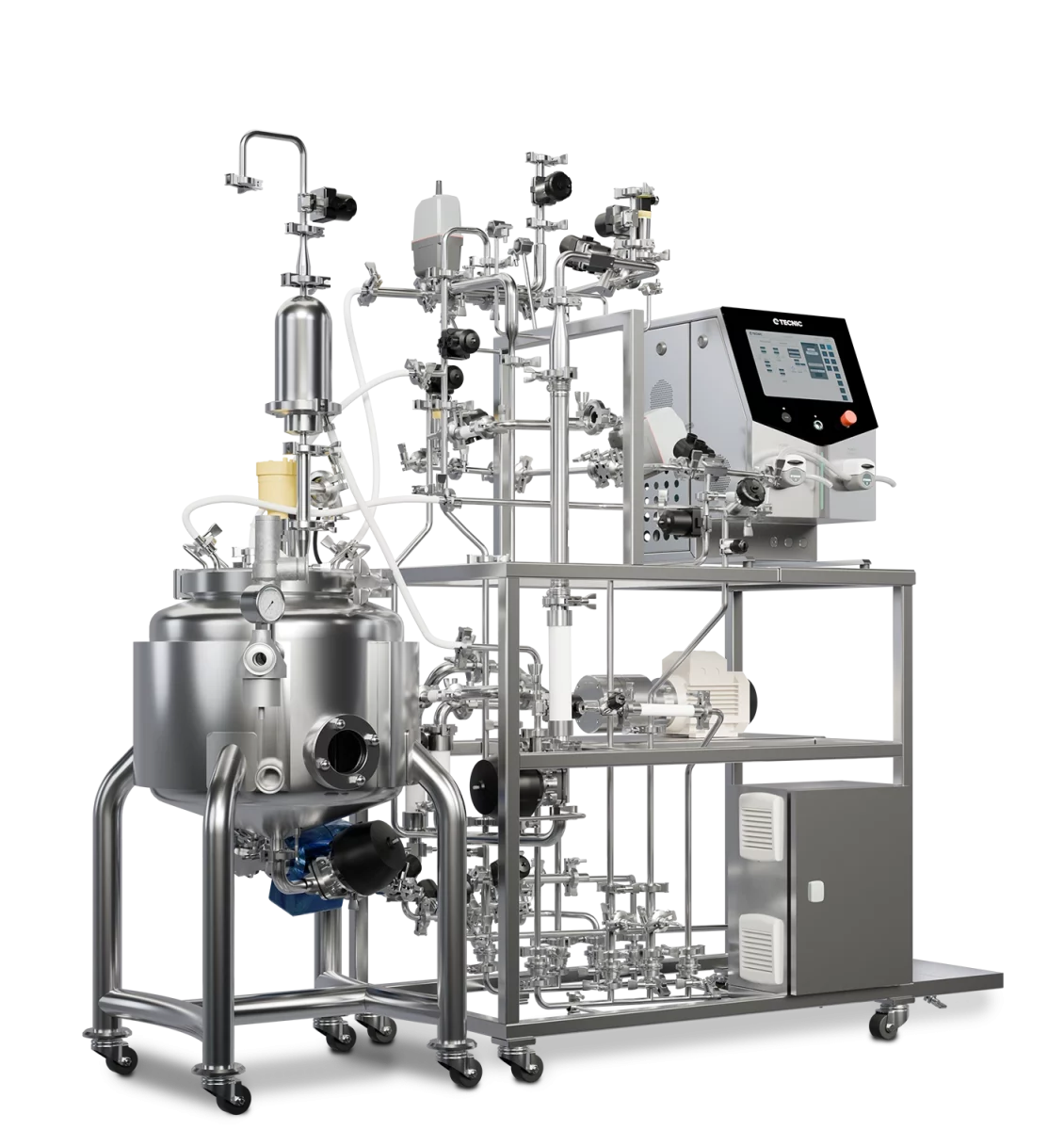
Production single-use systems
Relevant when single-use logic must extend beyond development into larger biomanufacturing environments.
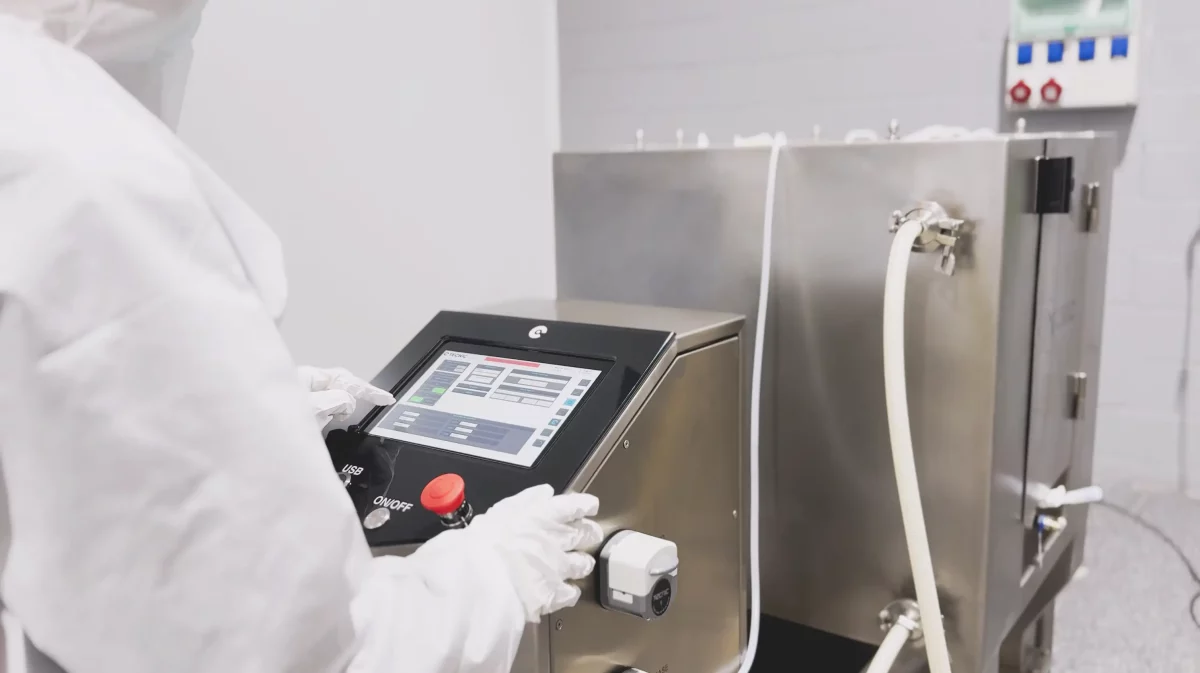
Single-use manufacturing context
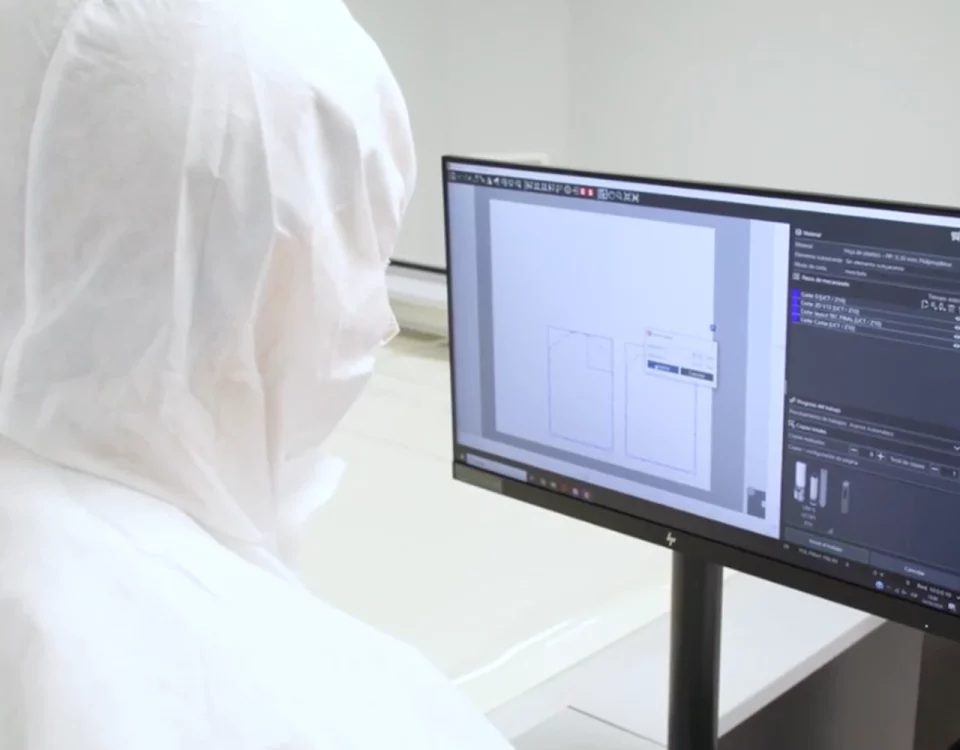
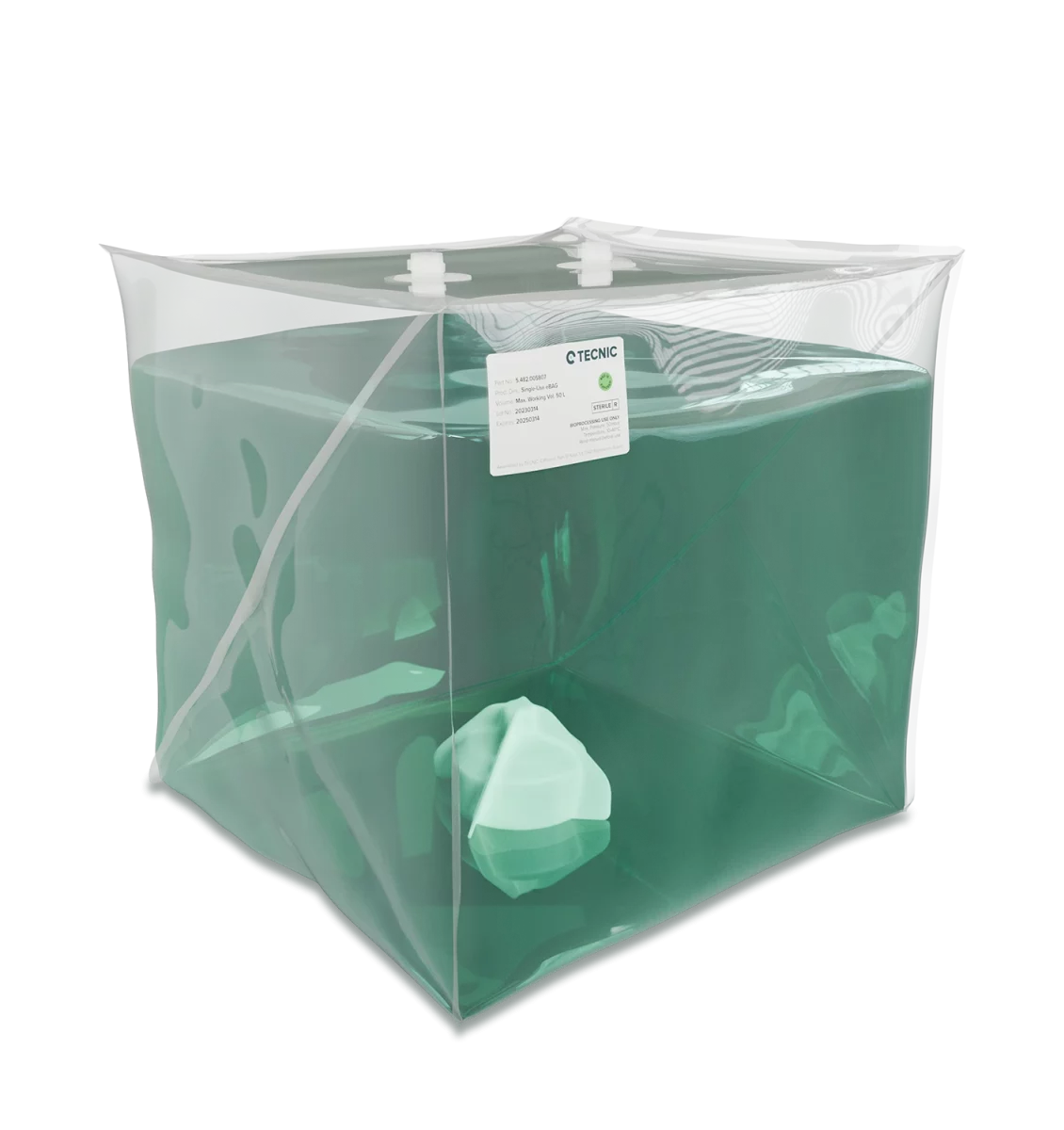
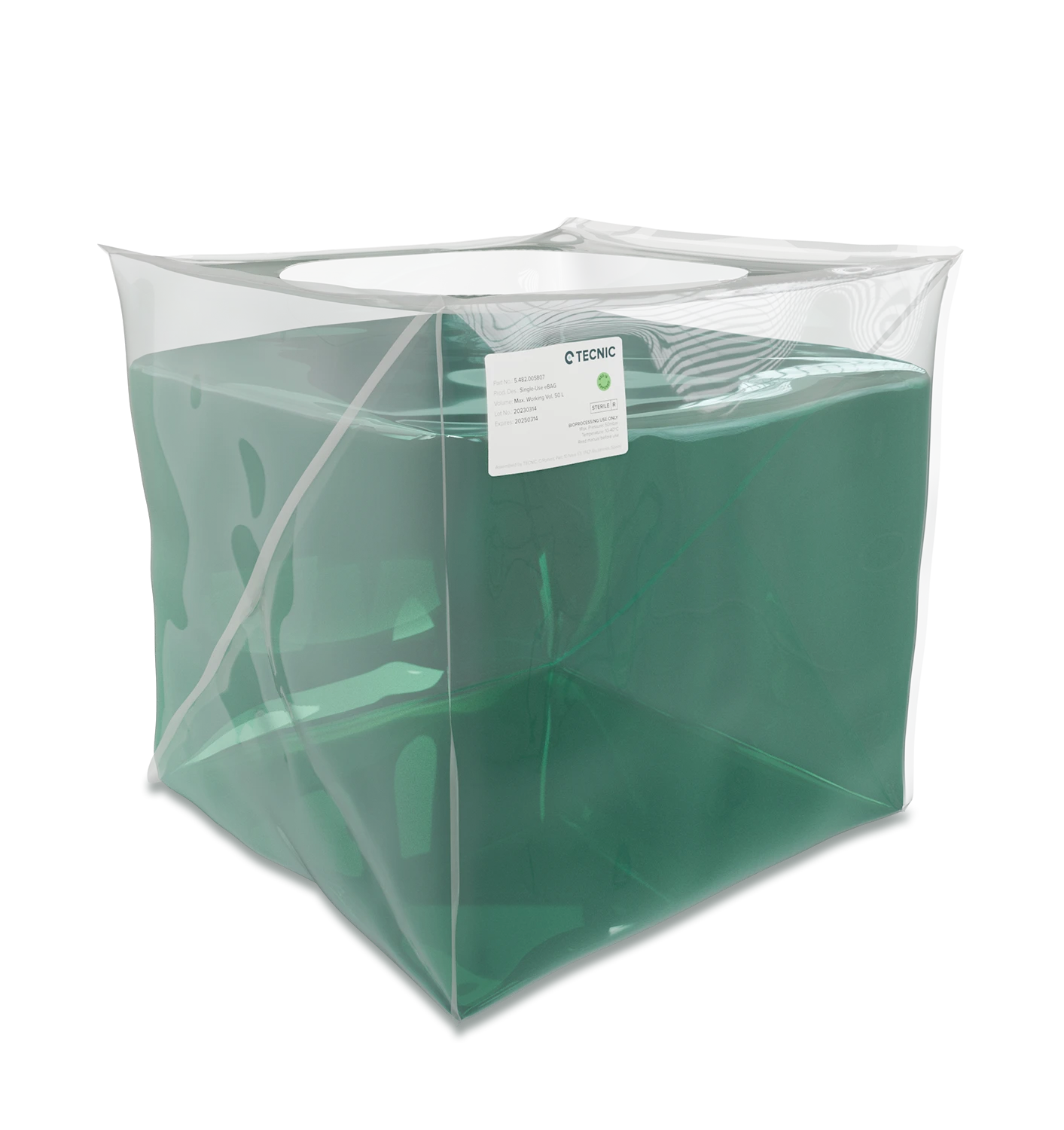
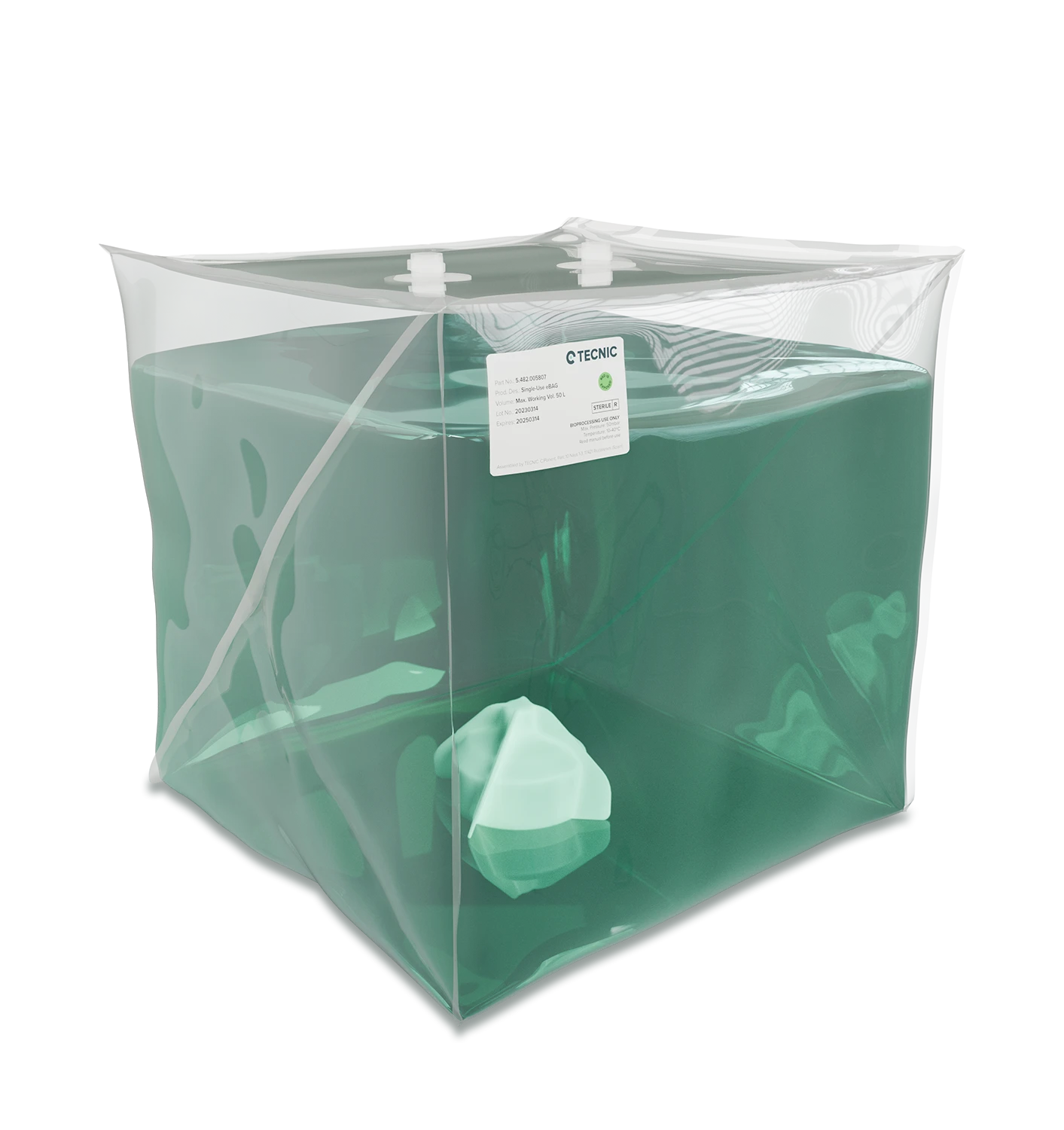
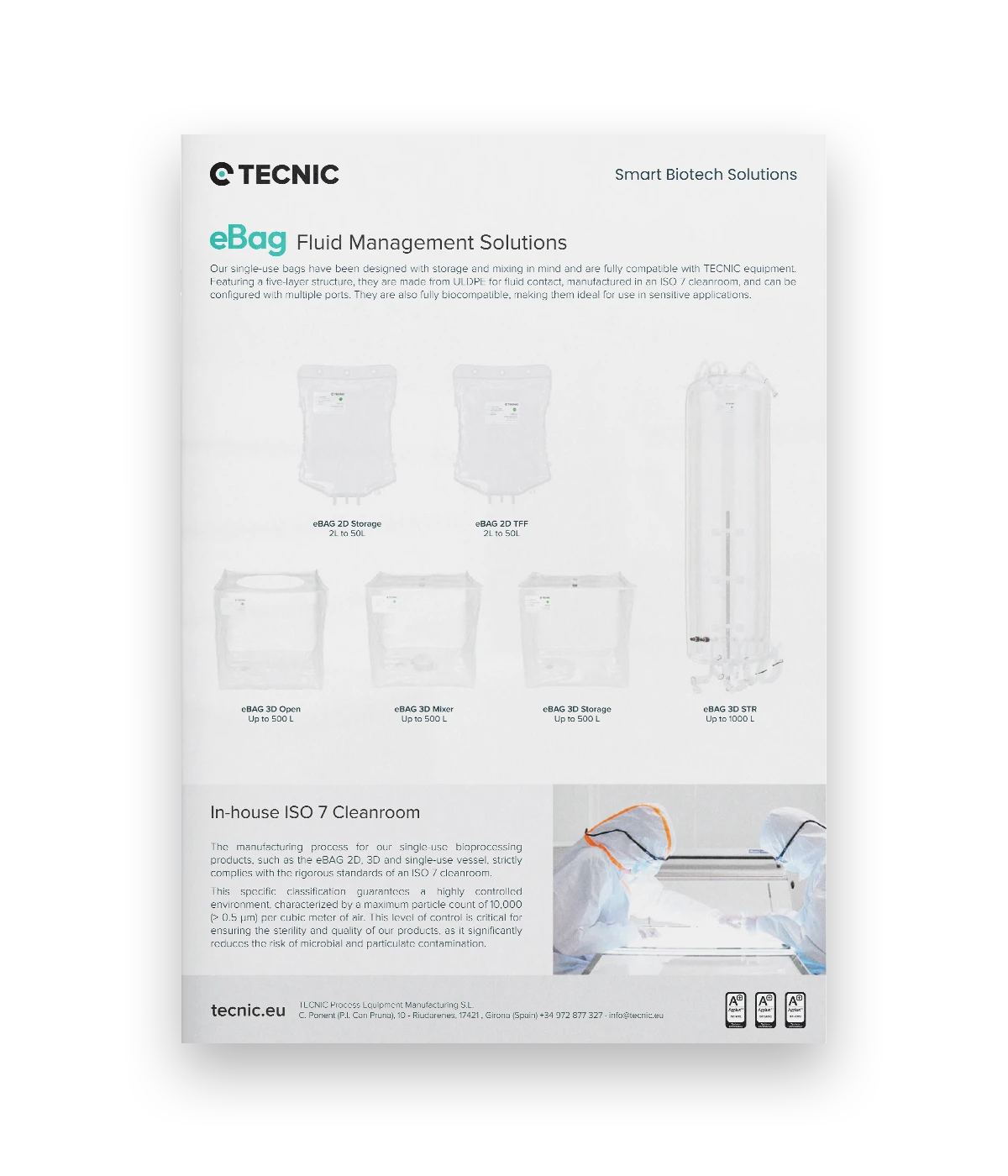
The broader single-use ecosystem also matters, including bags, assemblies and controlled manufacturing conditions.
Contact TECNIC
When flexibility, contamination control and batch turnaround are central to the project, direct technical discussion is more useful than a generic technology comparison.
This article works best when single-use is framed as a strategic manufacturing model, not only as a disposable vessel format.
Frequently asked questions
What is a single-use bioreactor?
It is a bioreactor that uses disposable product-contact components, usually bag-based assemblies, instead of reusable fixed vessels.
Why are single-use bioreactors important in biopharma?
Because they help reduce cleaning burden, shorten turnaround time and lower cross-contamination risk in flexible manufacturing environments.
Are single-use bioreactors always cheaper?
Not always. Their advantage depends on process scale, facility logic, utility costs and how much flexibility the operation needs.
What are the main challenges of single-use technology?
Waste management, consumables supply dependence, material qualification and large-scale process economics are among the main challenges.
Will single-use bioreactors replace stainless-steel systems completely?
No. Both technologies will continue to coexist, but single-use is becoming increasingly important wherever speed, flexibility and contamination control are top priorities.
Reviewing whether single-use bioreactors fit your future biopharma strategy?
Explore TECNIC’s single-use bioprocess solutions or speak with our team to review the right setup for flexible and future-ready manufacturing.